fertiliser imports fast-track is central to this update. Fertiliser imports fast-track measures aim to support kharif season demand and ease supply pressures. The development matters because it helps readers understand the immediate significance, broader policy context, and what may happen next.
- What is the fertiliser imports fast-track initiative and why now?
- How does fertiliser imports fast-track affect India’s economy in 2026?
- What does fertiliser imports fast-track mean for farmers and agri-input sectors?
- How have fertiliser imports fast-track policies evolved amid global supply challenges?
- What are the projected impacts of fertiliser imports fast-track on inflation and jobs?
- How will fertiliser imports fast-track measures unfold through 2026 kharif season?
- What do stakeholders need to know about fertiliser imports fast-track in India?
fertiliser imports fast-track: what happened
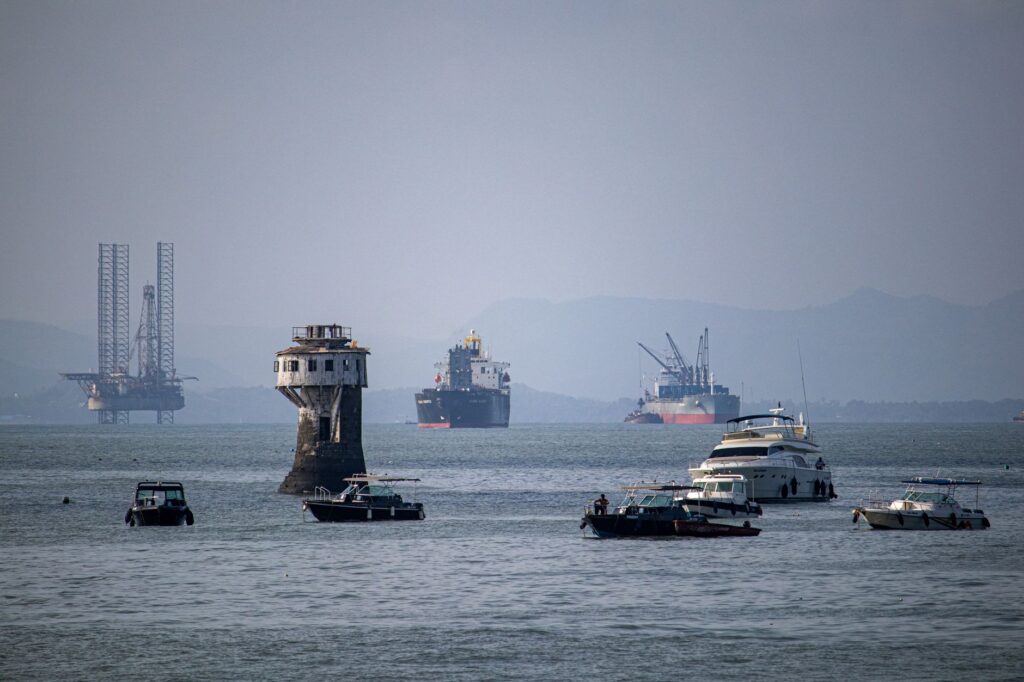
The fertiliser imports fast-track programme began in early 2026 as India responded to disruptions in gas shipments and shipping routes caused by the West Asia crisis. Government sources confirmed the global tender was advanced, resulting in an order of 13.5 lakh tonnes of urea by mid-February, with 90% expected by March-end. This urgent step counters supply shortages because domestic urea production—30-31 million tonnes annually—relies heavily on natural gas, much of it linked to unstable regions. Consequently, imports ranging from 6 to 10 million tonnes bridge demand shortfalls. Implementing fast-track imports protects farmers ahead of the kharif season, which covers nearly 60% of India’s cultivated area.
How does fertiliser imports fast-track affect India’s economy in 2026?
Fertiliser imports fast-track measures will directly influence agricultural GDP, which accounts for almost 17% of India’s economy. Ensuring timely fertiliser availability supports kharif crop yields, critical for food inflation, rural incomes, and agri-jobs. India imports 20-30% of its urea requirement; disruption could trigger shortages and price hikes. Fast-tracking 13.5 lakh tonnes with 90% arrival by March-end mitigates inflation risk and stabilises supply chains. The government’s move reduces dependency on volatile gas supplies from West Asia, supporting overall economic growth projected at 6.5% in 2026. As per official notifications, this short-term surge in imports is a tactical buffer to maintain farm sector resilience.
What does fertiliser imports fast-track mean for farmers and agri-input sectors?
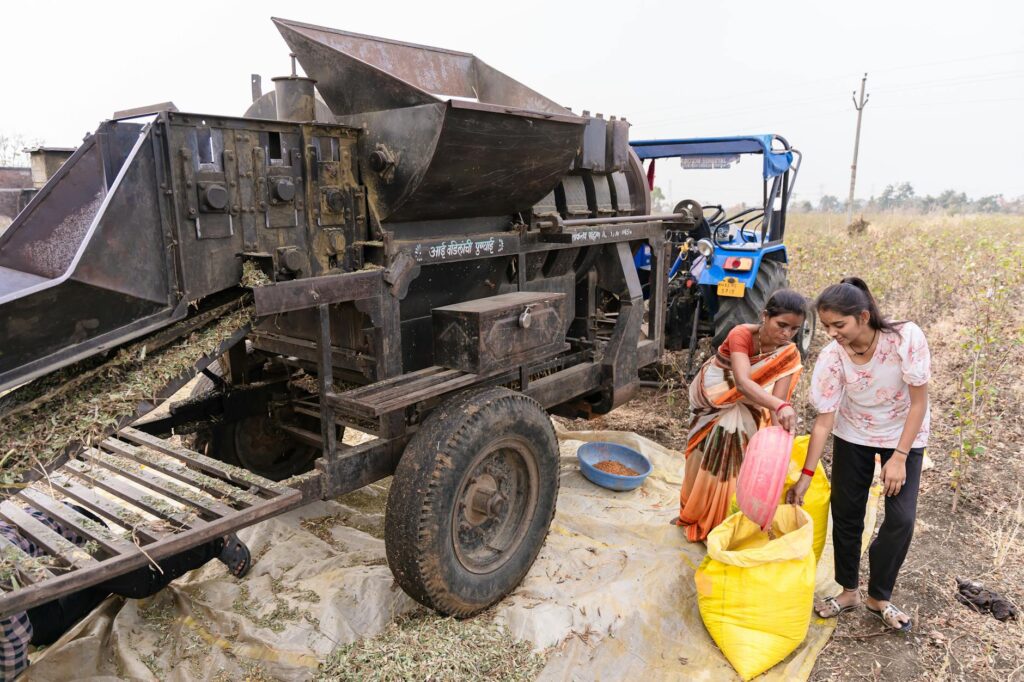
Farmers rely heavily on urea, India’s most consumed fertiliser, subsidised to promote balanced nutrient use. Fertiliser imports fast-track ensures steady supply for the kharif sowing season, scheduled from June to September, impacting 140 million hectares. The accelerated procurement of 13.5 lakh tonnes by February, easing import bottlenecks, prevents potential shortages at critical sowing time. Agri-input companies handling distribution and retailers also benefit from assured stock, avoiding last-minute inflation or scarcity. As a result, farmers can maintain input costs, directly affecting productivity and livelihoods across rural India.
How have fertiliser imports fast-track policies evolved amid global supply challenges?
India traditionally depends on domestic urea production coupled with imports to balance demand. However, fertiliser imports fast-track gained prominence as West Asia conflicts disrupted global natural gas and shipping supply. Earlier, imports followed scheduled tenders timed around sowing seasons. In 2026, the crisis accelerated procurement, leading to a tender brought forward with a 13.5 lakh tonnes order by February. In comparison, imports in previous years were more gradual, without urgency from geopolitical shocks. This change reflects adaptive policy to global energy disruptions and shipping constraints, ensuring food security remains intact despite external pressures.
What are the projected impacts of fertiliser imports fast-track on inflation and jobs?
The fertiliser imports fast-track strategy helps contain inflationary pressures by preventing input cost shocks in agriculture, which influence food prices that comprise nearly 40% of India’s Consumer Price Index. Ensuring timely supply of an estimated 13.5 lakh tonnes through fast-tracking limits price surges ahead of the kharif season. Moreover, steady fertiliser availability sustains farm productivity and agrarian employment, critical for over 50% of India’s workforce. Conversely, any delay would risk crop losses, job reductions, and higher food inflation. Therefore, this initiative acts as a buffer stabilizing rural economies and preserving inflation within manageable limits in 2026.
How will fertiliser imports fast-track measures unfold through 2026 kharif season?
The fertiliser imports fast-track plan is underway with the 13.5 lakh tonnes order placed by mid-February 2026. Approximately 90% of this stock is expected to land by March-end, well ahead of the June kharif sowing window. The government coordinates with ports and logistics to expedite clearance and distribution. Continuous monitoring will ensure no bottlenecks in reaching farmers. This shift alters the prior delivery cadence, compressing import timelines into the first quarter. Farmers and agri-supply chains should prepare for steady fertiliser availability starting in April-May, enabling optimal sowing conditions and avoiding any shortages caused by the West Asia crisis.
What do stakeholders need to know about fertiliser imports fast-track in India?
Businesses in fertiliser production, imports, and distribution must calibrate inventories and logistics to meet the fast-tracked shipment deadlines. Farmers should be aware that fertiliser availability will be enhanced starting late March, helping them plan sowing activities effectively. Policymakers need to monitor global supply-chain risks as the West Asia crisis evolves, and adjust import volumes if needed. The fertiliser imports fast-track serves as a proactive measure to hedge against uncertainties. Financial institutions and supply-chain partners should anticipate increased demand pressures during March-April and prepare to support efficient delivery mechanisms.
Frequently Asked Questions
What is fertiliser imports fast-track and why was it implemented in 2026?
Fertiliser imports fast-track is an expedited procurement process started in 2026 to secure 13.5 lakh tonnes of urea early due to West Asia supply disruptions affecting gas and shipping routes.
How does fertiliser imports fast-track impact the kharif sowing season?
By fast-tracking imports and ensuring 90% of fertiliser arrives by March-end, India stabilises supply ahead of kharif sowing, protecting crop yields and rural incomes.
When will the fertiliser imports fast-track shipments arrive in India?
Most fertiliser imports ordered under the fast-track initiative are expected to arrive by the end of March 2026, ahead of the kharif planting season.
Who benefits the most from fertiliser imports fast-track in India?
Farmers, agricultural input companies, and the overall economy benefit as steady fertiliser supply supports crop production, reduces inflation risk, and sustains jobs.
Related Coverage on PolicyPulse Media
- Ease of doing business 2026: major boost with relaxed PARS
- Disclosure registered name: SEBI’s 2026 crucial surge in SMP
- Delhi free food schemes 2026: crucial risk amid LPG shortage
Source: ET. This article is an independent editorial analysis by PolicyPulse Media and is not affiliated with the source organisation.
fertiliser imports fast-track: why this matters
fertiliser imports fast-track matters because it shapes how readers, institutions, investors, regulators, or businesses interpret the broader significance of the update.
fertiliser imports fast-track: what to watch next
What happens next after fertiliser imports fast-track will depend on follow-up disclosures, implementation steps, official clarification, and any measurable response from markets or institutions.
fertiliser imports fast-track: practical implications
In practical terms, fertiliser imports fast-track helps readers understand what changes immediately, what remains uncertain, and what signals to monitor over the near term.
Frequently asked questions
Why is fertiliser imports fast-track important?
fertiliser imports fast-track is important because it explains the broader significance of the announcement, order, market move, or policy change described in the article.
What should readers monitor after fertiliser imports fast-track?
Readers should monitor official statements, implementation steps, regulatory follow-up, and any measurable market or institutional response after fertiliser imports fast-track.