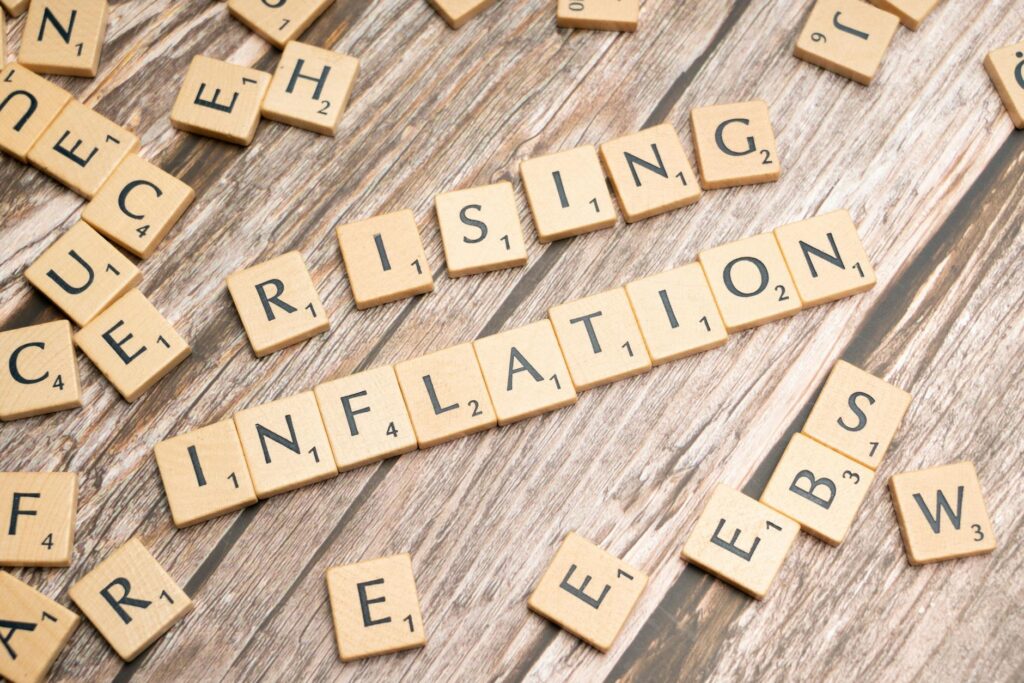
India wholesale inflation is central to this update. India wholesale inflation rose to an 11-month high in February 2026, signalling renewed price pressure. The development matters because it helps readers understand the immediate significance, broader policy context, and what may happen next.
- What is India wholesale inflation and why did it rise in February 2026?
- How does India wholesale inflation affect GDP growth and economic sectors?
- What does the rise in India wholesale inflation mean for borrowers and consumers?
- How does India wholesale inflation compare to global inflation trends in 2026?
- What are the key data points behind India wholesale inflation’s 2.13% rise?
- What should businesses and policymakers do amid rising India wholesale inflation?
- How will India wholesale inflation evolve in the coming months and fiscal year 2027?
India wholesale inflation: what happened
India wholesale inflation measures the annual change in wholesale prices across goods tracked by the Wholesale Price Index (WPI). In February 2026, the WPI-based inflation rose to 2.13%, the highest in 11 months. This increase was primarily driven by rising costs of primary goods, including both food and non-food items. The previous month, inflation stood at 1.8%, showing a visible acceleration. According to official data published on 16 March, supply-chain pressures combined with higher input costs, especially in energy and commodities, played a major role. Economists also cite geopolitical tensions in the Gulf as a factor likely to drive prices higher.
How does India wholesale inflation affect GDP growth and economic sectors?
India wholesale inflation influences the broader economy by affecting costs for manufacturers and service providers. Rising wholesale inflation to 2.13% in February 2026 could squeeze profit margins for sectors like manufacturing, construction, and agriculture. Higher input prices may subsequently lead to elevated consumer prices, impacting demand and overall GDP growth forecasts. The Reserve Bank of India monitors inflation trends closely as the wholesale price rise can eventually filter into consumer inflation. As per CareEdge Ratings, ongoing price pressures on energy and raw materials hint at a potential WPI inflation of around 3.5% for FY27. Consequently, sectors such as FMCG, textiles, and chemicals are expected to experience cost pressures, which may impact employment and investment decisions.
What does the rise in India wholesale inflation mean for borrowers and consumers?
The rise in India wholesale inflation to 2.13% in February 2026 presents direct challenges for borrowers and consumers. When wholesale inflation rises, input and production costs typically increase, prompting manufacturers to pass on costs to consumers through higher retail prices. This can erode purchasing power, especially for lower- and middle-income households. Borrowers, particularly those with variable interest loans, may face higher loan servicing costs if lenders adjust rates in response to inflation trends. Furthermore, sustained inflation pressures can trigger tighter monetary policy measures by the RBI, potentially leading to increased borrowing costs across sectors. According to ICRA, WPI inflation could jump to around 3.2% in March, increasing uncertainty for consumers.
How does India wholesale inflation compare to global inflation trends in 2026?
India wholesale inflation's rise to 2.13% in February is consistent with broader global inflationary trends in 2026. Global commodity prices, including crude oil and energy, have experienced volatility due to geopolitical tensions, notably in the Gulf. Gita Gopinath recently highlighted that surging oil prices could lift global inflation by 60 basis points. India, as a major crude importer, remains vulnerable to such external shocks. When compared to other emerging economies, India's wholesale inflation remains moderate but shows signs of upward pressure. For instance, Brent crude prices averaging between $60 and $70 per barrel, as projected by CareEdge Ratings, will likely keep Indian inflation elevated, further aligning India’s inflation trajectory with global counterparts.
What are the key data points behind India wholesale inflation’s 2.13% rise?
The 2.13% wholesale inflation figure for February 2026 stems from detailed price data across various commodities in the Wholesale Price Index basket. Primary articles, including food items like cereals, pulses, and vegetables, recorded significant price increases. Non-food articles, such as metals and minerals, also contributed to rising WPI figures. Moreover, energy prices escalated due to rising crude oil costs, which directly impact manufacturing and transport sectors. January 2026 had witnessed a 1.8% inflation rate, highlighting the acceleration trend. According to India Ratings and Research, WPI inflation is forecasted to reach 3.7% in March, propelled by crude price surges. These data points collectively reveal cost-push inflationary pressures building across the economy.
What should businesses and policymakers do amid rising India wholesale inflation?
Businesses must reassess cost structures and pricing strategies as India wholesale inflation rises to 2.13% in February 2026. Procurement teams should seek alternative suppliers or negotiate contracts to mitigate input cost increases. Simultaneously, policymakers face the challenge of balancing inflation control with economic growth support. The RBI may consider monetary tightening if inflationary pressures persist, while fiscal authorities might explore targeted subsidies or supply-chain enhancements for essential goods. According to CareEdge Ratings, energy price volatility warrants close monitoring to pre-empt further inflation spikes. Businesses should also plan for potential demand shifts due to price changes, and consumers are advised to budget carefully amid expected price rises.
How will India wholesale inflation evolve in the coming months and fiscal year 2027?
Economists expect India wholesale inflation to accelerate beyond February’s 2.13% reading in the near term. Rising crude oil prices and energy costs remain key drivers. India Ratings and Research project a steep jump to 3.7% WPI inflation in March 2026. For the fiscal year 2027, CareEdge Ratings estimate WPI inflation around 3.5%, assuming Brent crude stabilises between $60 and $70 per barrel. This outlook signals ongoing input cost pressures and supply tightness. However, any easing in geopolitical tensions or global commodity prices could moderate inflation. Market observers will closely track government and RBI policy responses, as inflation dynamics will directly influence economic growth, investment flows, and employment trends.
Frequently Asked Questions
What caused the rise in India wholesale inflation in February 2026?
India wholesale inflation rose to 2.13% in February 2026 mainly due to increased prices in primary goods like food and energy, along with higher crude oil costs influenced by geopolitical tensions.
How does India wholesale inflation affect consumer prices?
Rising India wholesale inflation often leads to higher production costs, which businesses pass on to consumers as increased retail prices, reducing purchasing power over time.
When is India wholesale inflation expected to peak in 2026?
India wholesale inflation is forecasted to peak around March 2026 at approximately 3.7% according to India Ratings and Research, driven largely by surging crude oil prices.
Is India wholesale inflation linked to global energy prices?
Yes, India wholesale inflation is closely linked to global energy prices, particularly crude oil, which affect input costs and contribute significantly to inflation fluctuations.
Related Coverage on PolicyPulse Media
- Variable rate repo 2026: RBI’s crucial 7-day auction to boost
- Premature redemption SGB 2026: crucial redemption price surge
- Banks write off loans worth ₹9.75 lakh cr in 11 years:
Source: ET. This article is an independent editorial analysis by PolicyPulse Media and is not affiliated with the source organisation.
India wholesale inflation: why this matters
India wholesale inflation matters because it shapes how readers, institutions, investors, regulators, or businesses interpret the broader significance of the update.
India wholesale inflation: what to watch next
What happens next after India wholesale inflation will depend on follow-up disclosures, implementation steps, official clarification, and any measurable response from markets or institutions.
India wholesale inflation: practical implications
In practical terms, India wholesale inflation helps readers understand what changes immediately, what remains uncertain, and what signals to monitor over the near term.
Frequently asked questions
Why is India wholesale inflation important?
India wholesale inflation is important because it explains the broader significance of the announcement, order, market move, or policy change described in the article.
What should readers monitor after India wholesale inflation?
Readers should monitor official statements, implementation steps, regulatory follow-up, and any measurable market or institutional response after India wholesale inflation.