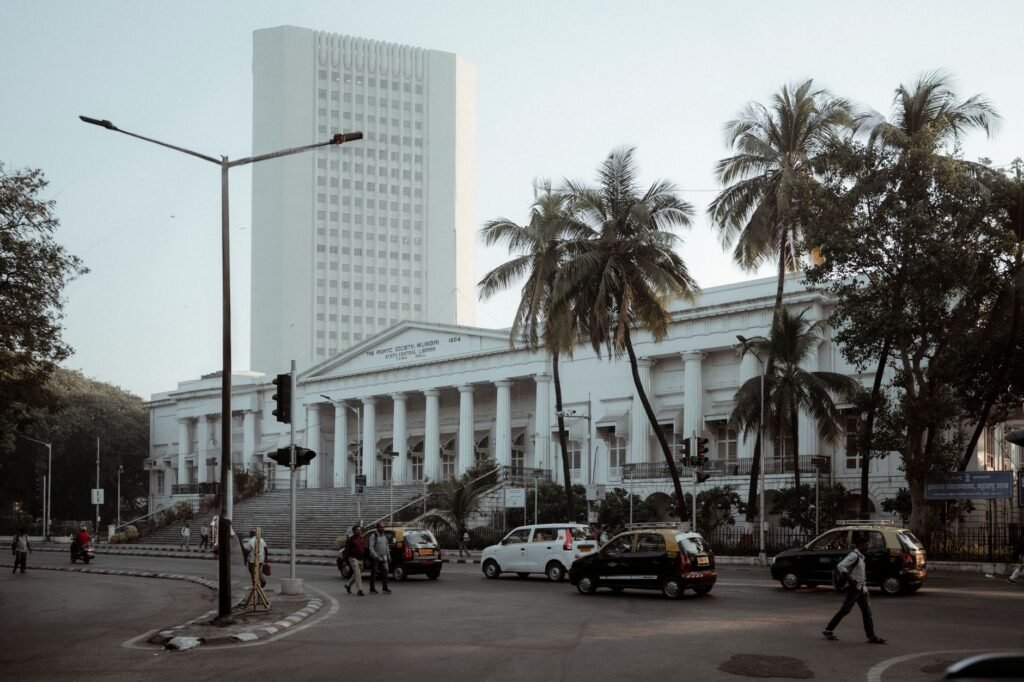

The RBI monetary penalty was imposed on The Hongkong and Shanghai Banking Corporation Limited (HSBC) in March 2026 for regulatory non-compliance. The penalty amounts to ₹31.80 lakh, as per the official RBI order dated March 18, 2026. This development highlights the Reserve Bank of India's increased vigilance on banks’ adherence to inoperative accounts instructions. Here is everything you need to know about RBI monetary penalty.
- What is the RBI monetary penalty imposed on HSBC in 2026?
- Why did RBI impose the monetary penalty on HSBC in 2026?
- How does the RBI monetary penalty affect borrowers and depositors?
- What are the key compliance requirements highlighted by this RBI monetary penalty?
- How does the 2026 RBI monetary penalty on HSBC compare with past banking penalties?
- What steps should banks take now after the RBI monetary penalty in 2026?
- What are the broader implications of the RBI monetary penalty for the Indian banking sector?
What is the RBI monetary penalty imposed on HSBC in 2026?
The RBI monetary penalty imposed on HSBC amounts to ₹31.80 lakh, announced on March 18, 2026. This action arises from HSBC's failure to comply with RBI’s directions on "Inoperative Accounts / Unclaimed Deposits in Banks – Revised Instructions." The penalty follows a supervisory evaluation conducted by RBI with reference to HSBC's financial position as of March 31, 2025. Following an inspection and a show-cause notice, RBI found discrepancies such as the absence of a searchable unclaimed deposits database and failure to assign Unclaimed Deposits Reference Numbers (UDRN) properly. Therefore, this penalty enforces statutory and regulatory compliance under the Banking Regulation Act, 1949.
Why did RBI impose the monetary penalty on HSBC in 2026?
The RBI monetary penalty on HSBC stemmed from non-compliance with key RBI directions aimed at safeguarding depositors’ rights. Specifically, HSBC did not host a searchable database of unclaimed deposits on its website, nor did it generate and assign UDRN to certain unclaimed deposits transferred to the Depositor Education and Awareness (DEA) Fund. Such lapses violate RBI’s guidelines issued to ensure transparency and accountability in handling dormant accounts. Moreover, RBI’s inspection highlighted these deficiencies as material regulatory breaches. RBI’s actions convey a clear message prioritising stringent adherence to banking norms and customer protection.
How does the RBI monetary penalty affect borrowers and depositors?
The RBI monetary penalty indirectly impacts borrowers and depositors by reinforcing disciplined banking practices. Banks like HSBC must strengthen their compliance systems to avoid penalties that could otherwise lead to operational disruptions. Deposit account holders benefit from stricter controls on unclaimed deposits, ensuring easier access and resolution. Borrowers may witness improved bank transparency and regulatory adherence, which stabilise lending environments. Consequently, RBI monetary penalty episodes promote trust in the banking sector, assuring customers that their interests are safeguarded through vigilant supervision.
What are the key compliance requirements highlighted by this RBI monetary penalty?
This RBI monetary penalty underscores critical compliance areas for banks, such as maintaining a publicly searchable database of unclaimed deposits and issuing Unclaimed Deposits Reference Numbers (UDRN). As per RBI directives, banks must transparently track dormant accounts and facilitate depositors’ claims by linking unclaimed deposits to the Depositor Education and Awareness (DEA) Fund. Additionally, banks must ensure timely reporting and reconciliation of these accounts. Therefore, this penalty serves as a regulatory alert, pressing banks to rigorously comply with provisions under Section 47 A(1)(c) of the Banking Regulation Act, 1949, to avoid future sanctions.
How does the 2026 RBI monetary penalty on HSBC compare with past banking penalties?
The ₹31.80 lakh RBI monetary penalty on HSBC reflects a consistent regulatory stance against non-compliance observed in prior years. While the penalty amount is moderate compared to some earlier sanctions reaching crores, it signals RBI’s ongoing commitment to enforce rules on depositors’ protection and operational transparency. Compared to 2025, RBI has intensified scrutiny of banks’ maintenance of unclaimed deposit records. Globally, Indian regulators display increasing alignment with international banking standards by imposing monetary penalties tied directly to compliance failures, thereby narrowing the gap between India’s banking supervision and global best practices.
What steps should banks take now after the RBI monetary penalty in 2026?
Following the RBI monetary penalty, banks like HSBC should immediately review and enhance their compliance frameworks, focusing on inoperative accounts management. They must ensure hosting updated, searchable databases on unclaimed deposits and correctly generating UDRNs for all such funds transferred to the DEA Fund. Banks should initiate comprehensive internal audits and train staff on updated RBI guidelines to prevent future breaches. Furthermore, adherence to timelines and proactive engagement with RBI during supervisory evaluations will be critical. In addition, banks should educate customers about dormant accounts to reduce unclaimed deposits over time.
What are the broader implications of the RBI monetary penalty for the Indian banking sector?
The RBI monetary penalty imposed on HSBC in 2026 has broader implications by reinforcing accountability and transparency across the Indian banking sector. It sends a strong message that compliance lapses, especially those affecting depositors’ funds, will attract strict consequences. This can lead to higher behavioural standards in banks, improved depositor confidence, and eventually a more stable financial system. Moreover, as per RBI’s official notification, this action could trigger further supervisory measures or policy updates to mitigate operational risks. Overall, this penalty contributes to raising the bar for banking governance and consumer protection in India.
Frequently Asked Questions
What is the RBI monetary penalty imposed on HSBC in 2026?
The RBI monetary penalty imposed on HSBC in 2026 amounts to ₹31.80 lakh for non-compliance with RBI's directions on inoperative accounts and unclaimed deposits.
Why did RBI impose the monetary penalty on The Hongkong and Shanghai Banking Corporation Limited?
RBI imposed the penalty because HSBC failed to host a searchable database of unclaimed deposits and did not assign Unclaimed Deposits Reference Numbers (UDRN) as per RBI guidelines.
How will the RBI monetary penalty impact depositors with HSBC?
The penalty encourages HSBC to strengthen compliance, improving transparency and protection for depositors holding unclaimed or dormant accounts.
Who is responsible for ensuring compliance after the RBI monetary penalty?
The bank’s management is responsible for maintaining RBI compliance, including updating unclaimed deposit records and generating UDRNs to avoid penalties.
When were the RBI instructions that HSBC failed to comply with issued?
The RBI instructions on ‘Inoperative Accounts / Unclaimed Deposits’ were revised before the supervisory evaluation date of March 31, 2025, which led to the penalty in 2026.
Related Coverage on PolicyPulse Media
- Israel First Tax 2026: Iran warns of massive risk to US economy
- RBI’s Big Liquidity Move: Variable Rate Repo Auction of ₹75,000 Crore Explained
- Foreign exchange turnover data 2026: major surge and key insights
Source: RBI. This article is an independent editorial analysis by PolicyPulse Media and is not affiliated with the source organisation.
RBI monetary penalty: why this matters
RBI monetary penalty matters because it helps readers understand the broader significance of the development and what it may mean next.
Related developments: RBI penalty on Kshirsagar Bank | RBI penalty on Pali District Central Co-operative Bank | RBI monetary penalty on Cashfree