Middle East war inflation intensified concerns in March 2026 as rising conflict threatens global price surges. SBI Research warns of a possible 5% inflation increase worldwide if tensions persist. This matters because inflation impacts jobs, growth, and commodity costs globally. Here is everything you need to know about Middle East war inflation.
- What is the Middle East war inflation and why does it matter?
- How will Middle East war inflation affect India’s economy in 2026?
- What are the global supply chain impacts of Middle East war inflation?
- What does Middle East war inflation mean for global financial markets?
- How will Middle East war inflation impact jobs and inflation in India?
- What should businesses and consumers do about Middle East war inflation?
- What is the future outlook on Middle East war inflation and India’s economic growth?
What is the Middle East war inflation and why does it matter?
Middle East war inflation refers to the rise in global prices triggered by escalating conflicts in the Middle East region. SBI Research released its report on March 20, 2026, highlighting the risk of inflation surges reaching up to 5% worldwide. The underlying causes include supply chain disruptions, energy market shocks, and trade uncertainties caused by ongoing hostilities. This inflation rise affects costs of essentials like crude oil and food, impacting economies heavily reliant on imports. Therefore, understanding this inflation helps businesses and policymakers prepare for economic shifts and potential job market impacts.
How will Middle East war inflation affect India’s economy in 2026?
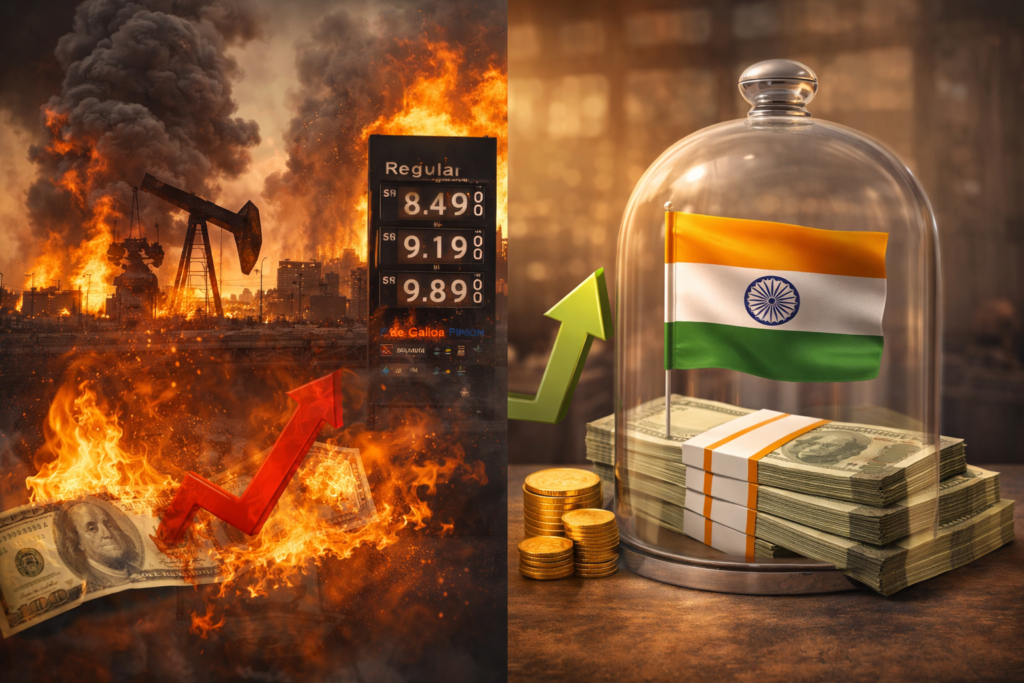
SBI Research indicates that India remains relatively insulated from Middle East war inflation due to diversified energy sources and robust domestic supply chains. While global inflation may reach 5%, India’s inflation is projected to increase moderately by about 1.5%-2%. The nation’s GDP growth forecast stands steady at 6.1% for FY2026. However, sectors linked to crude imports, such as transportation and manufacturing, could face cost pressures. Consequently, consumer inflation might see a slight uptick, but not at par with global spikes. Businesses should monitor input costs closely to mitigate any wage-price spirals.
What are the global supply chain impacts of Middle East war inflation?
The Middle East conflict disrupts multiple supply chains critical to global trade, including oil, gas, and food products. According to SBI Research, oil prices surged by over 15% in February-March 2026 due to uncertainty in the Persian Gulf, a key energy transit route. Moreover, semiconductor and raw materials shipments have faced delays, causing manufacturing slowdowns in Asia, Europe, and North America. These disruptions translate directly into costlier goods and longer delivery times, thereby fueling inflation in multiple jurisdictions. Businesses worldwide must adapt procurement and logistics strategies to this volatile landscape.
What does Middle East war inflation mean for global financial markets?
Middle East war inflation triggers volatility across asset classes, as per SBI Research analysts. Commodity prices, especially crude oil and natural gas, have climbed 20% year-on-year, pressuring inflation expectations and prompting central banks to consider tightening monetary policies. Stock markets reflect cautious sentiment, with emerging markets hit harder due to inflationary pressures and currency depreciation. Fixed income yields have risen by 50 basis points in the last quarter, reflecting rising risk and inflation premiums. Investors should recalibrate portfolios to manage risks and explore inflation-hedged investments.
How will Middle East war inflation impact jobs and inflation in India?
India’s labour market shows resilience despite global inflation pressures induced by the Middle East war. SBI Research notes the unemployment rate remained steady at 6.8% in early 2026. Inflationary cost-push effects, driven by fuel prices, are moderate due to India’s strategic petroleum reserves and alternative energy uptake. However, certain sectors like logistics and manufacturing may experience wage cost pressures, potentially impacting employment growth marginally. Policymakers face the task of balancing inflation control with growth initiatives to ensure job creation sustains in this uncertain environment.
What should businesses and consumers do about Middle East war inflation?
To manage risks posed by Middle East war inflation, businesses should hedge supply contracts and diversify raw material sources. SBI Research recommends closer monitoring of energy prices and supply chain continuity plans to avoid disruptions. Consumers might expect gradual price rises in fuel and food products and should budget accordingly. Furthermore, assessing inflation-indexed financial products may help in protecting savings. Staying updated with global geopolitical developments and government advisories can prepare all stakeholders for emerging challenges resulting from this inflation wave.
What is the future outlook on Middle East war inflation and India’s economic growth?
SBI Research projects that unless the conflict escalates further, global inflation may stabilize by late 2026, with prices easing as supply chains adjust. India’s GDP is forecast to grow at 6.1%-6.3% in 2026-27, supported by strong domestic demand and government stimulus measures. However, continued vigilance is necessary as energy price volatility poses upside risks. In addition, inflation targeting by the Reserve Bank of India will aim to keep consumer prices within the 4% +/-2% band. Consequently, moderate inflation with steady growth appears the most likely scenario for India amid ongoing global uncertainties.
Frequently Asked Questions
What is Middle East war inflation and how does it impact India?
Middle East war inflation means rising global prices due to conflict-driven supply disruptions and energy shocks. India faces moderate inflation increases around 1.5%-2%, with relative insulation compared to global surges that may reach 5%, according to SBI Research.
How will Middle East war inflation affect global crude oil prices in 2026?
The Middle East war inflation pushes crude oil prices higher, with a surge of over 15% recorded in early 2026, primarily due to disruptions in Persian Gulf supply routes, impacting energy costs worldwide.
When is Middle East war inflation expected to stabilize globally?
Global inflation driven by Middle East war pressures is anticipated to stabilize by late 2026, pending resolution or easing of conflict and adaptation of supply chains, as per SBI Research forecasts.
What should Indian businesses do to counter Middle East war inflation effects?
Indian businesses should hedge energy contracts, diversify suppliers, and monitor price trends regularly. Developing robust supply chain contingency plans will mitigate risks tied to the inflation wave.
Is the Indian government taking steps against inflation caused by the Middle East war?
Yes, the government, along with RBI, is monitoring inflation closely and using monetary and fiscal tools to maintain price stability, ensuring inflation remains within the target range despite global pressures.
Related Coverage on PolicyPulse Media
- SEBI listing amendment 2026: crucial corrigendum reveals key changes
- Pentagon press access policy 2026: major US judge ruling hits media rights
- RBI monetary penalty 2026: crucial ₹31.8 lakh fine hits HSBC
Source: ET. This article is an independent editorial analysis by PolicyPulse Media and is not affiliated with the source organisation.
Middle East war inflation: why this matters
Middle East war inflation matters because it helps readers understand the broader significance of the development and what it may mean next.