
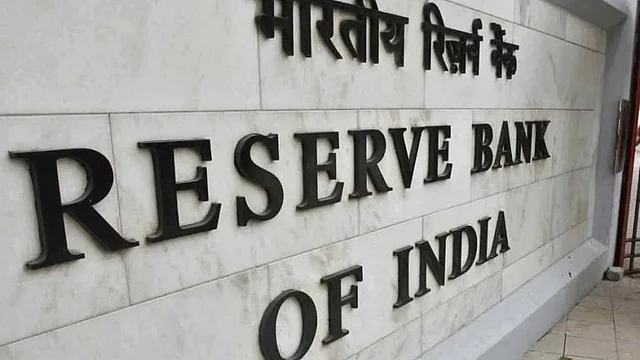
RBI penalty Tanur bank is central to this update. RBI penalty Tanur bank action imposed a ₹50,000 fine for non-compliance with Know Your Customer requirements. The development matters because it helps readers understand the immediate significance and what may happen next.
RBI penalty Tanur bank: what happened
On March 20, 2026, the Reserve Bank of India imposed a monetary penalty of ₹50,000 on The Tanur Co-operative Urban Bank Limited in Kerala. The penalty followed a statutory inspection pegged to the bank’s financial position as of March 31, 2025, which found lapses in adherence to RBI’s Know Your Customer (KYC) directions. Specifically, the bank failed to upload customer KYC data to the Central KYC Records Registry (CKYCR), a mandatory compliance requirement instituted to streamline and monitor customer identity profiles across India’s banking ecosystem.
Key provisions behind RBI penalty Tanur bank
The monetary penalty was applied under the authority of Section 47A(1)(c) read with Sections 46(4)(i) and 56 of the Banking Regulation Act. The penalty amounting to ₹50,000 reflects the seriousness of the non-compliance with KYC directions. The RBI followed due process by issuing a show-cause notice to the bank and considering its written and oral submissions during a personal hearing before finalising the penalty. Notably, the RBI clarified this penalty pertains to regulatory compliance failures and doesn’t affect the validity of the bank’s transactions or agreements.
Why RBI penalty on Tanur bank matters
The penalty highlights RBI’s intensified supervisory focus on smaller cooperative banks, which have historically faced challenges in implementing robust KYC systems. Tanur Co-operative Urban Bank’s failure to upload customer KYC data can compromise customer due diligence and anti-money laundering frameworks. The RBI’s action sends a clear signal that even minor cooperative banks must diligently comply with KYC requirements to protect the banking system’s integrity and safeguard depositor interests. Weak compliance poses risks for fraud, money laundering, and undermines financial transparency.
Who is affected by RBI penalty Tanur bank
The primary stakeholders affected include the Tanur Co-operative Urban Bank’s management and its customer base in Kerala. The penalty places regulatory pressure on the bank’s governance to improve compliance infrastructure immediately. Customers of such cooperative banks may also face tighter onboarding procedures and increased due diligence going forward. On top of this, regulatory authorities and depositors at small cooperative banks will observe this action as part of greater RBI enforcement to uphold uniform KYC practices across all financial entities, potentially affecting sector-wide operational norms.
Background and broader compliance context
The Reserve Bank of India has progressively tightened its surveillance over cooperative and urban banks due to recurring lapses in compliance, especially concerning KYC and anti-money laundering (AML) norms. The Central KYC Records Registry, launched to centralise customer identity verification, demands timely uploading of customer data, failing which banks face penalties. Previous RBI actions against similar smaller banks have included monetary fines and restrictions on specific business operations. As RBI aims to harmonise regulatory adherence across all banking categories, this penalty fits into a broader pattern of enforcement seen since 2023.
Practical implications of RBI penalty on Tanur bank
Following the penalty, Tanur Co-operative Urban Bank must prioritise compliance upgrades, particularly aligning its KYC data management with RBI’s CKYCR mandates. Customers may encounter enhanced KYC re-verification drives and stricter measures to prevent lapses. Regulatory monitoring of cooperative banks will likely intensify, prompting peer institutions to reassess their own compliance frameworks. Meanwhile, stakeholders including auditors and state cooperative regulators should prepare for more frequent inspections and enforcement actions related to KYC adherence in 2026 and beyond, underscoring the need for robust risk controls.
Frequently Asked Questions
What led to the RBI penalty on Tanur Co-operative Urban Bank?
The bank failed to upload customer KYC records onto the Central KYC Records Registry, violating RBI’s mandatory KYC compliance directions.
How much was the penalty imposed on the Tanur bank?
The RBI imposed a monetary penalty of ₹50,000 on The Tanur Co-operative Urban Bank Limited.
Does the penalty affect the validity of the bank’s transactions?
No, the penalty pertains only to regulatory compliance lapses and doesn’t impact the validity of any transactions or agreements.
Related coverage
- SEBI ICDR regulations 2026 tighten disclosure norms and ease capital raising
- PM Internship scheme eases rules for firms in 2026 to boost tech sectors
- West Asia conflict prompts PM Modi to review 2026 energy supply
Source: RBI. Independent analysis by PolicyPulse Media.
RBI penalty Tanur bank: why this matters
RBI penalty Tanur bank matters because it shapes how readers, institutions, investors, regulators, or businesses interpret the broader significance of the update.
RBI penalty Tanur bank: what to watch next
What happens next after RBI penalty Tanur bank will depend on follow-up disclosures, implementation steps, official clarification, and any measurable response from markets or institutions.
RBI penalty Tanur bank: practical implications
In practical terms, RBI penalty Tanur bank helps readers understand what changes immediately, what remains uncertain, and what signals to monitor over the near term.
Frequently asked questions
Why is RBI penalty Tanur bank important?
RBI penalty Tanur bank is important because it explains the broader significance of the announcement, order, market move, or policy change described in the article.
What should readers monitor after RBI penalty Tanur bank?
Readers should monitor official statements, implementation steps, regulatory follow-up, and any measurable market or institutional response after RBI penalty Tanur bank.