
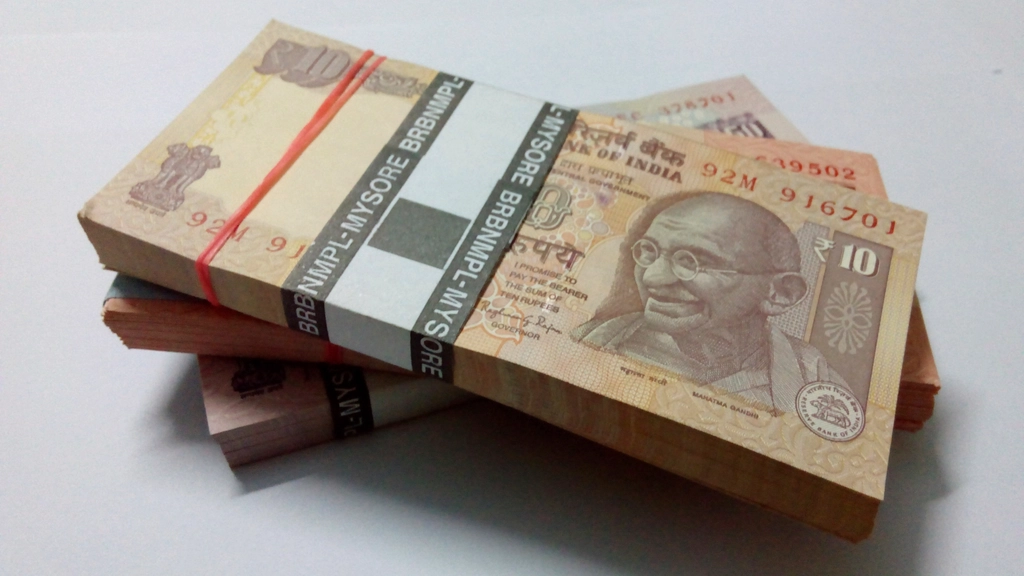
Rupee slides past 93 against the US dollar, raising imported inflation risks for India through oil, commodities and logistics costs. A weaker rupee makes imported goods more expensive in local currency terms, and that matters especially for an economy where imported energy and raw materials influence prices across multiple sectors.
Currency weakness is not only a forex headline. It can shape inflation, business planning and monetary policy expectations. When the rupee weakens sharply, the effect is often felt first in fuel and commodity costs, but it can spread much further through freight, manufacturing inputs and the final prices consumers pay. That is why the move beyond 93 is economically significant and not just symbolically notable.
- The rupee has weakened past 93 per US dollar.
- Imported inflation risks rise when the currency falls.
- Oil, commodity and logistics costs can become more expensive.
- RBI policy may face added pressure if inflation persists.
What rupee slides past 93 means
When the rupee moves beyond 93 against the dollar, India pays more in rupee terms for dollar-priced imports. This matters because crude oil, industrial inputs and many globally traded goods are priced in dollars. Even if the currency move looks modest in percentage terms, the cumulative inflationary effect can become meaningful over time.
How imported inflation spreads
Imported inflation starts with higher landed costs, but it does not stay there. Companies may pass higher input costs into freight bills, factory output, retail pricing and service charges. Over time, that increases the pressure on both businesses and households. Rupee slides past 93 is therefore a useful shorthand for a much wider set of pricing risks.
Why this matters for RBI and growth
If inflation risks rise, RBI may need to remain more cautious on rates and liquidity. That can affect borrowing costs, investment sentiment and the broader growth outlook. A weaker rupee therefore matters not only for prices but also for how monetary policy responds to changing macroeconomic conditions.
Who is affected the most
Import-heavy industries, manufacturers, logistics businesses and fuel-linked sectors are among the most exposed. Consumers eventually feel the impact too, especially when higher transport and input costs feed into everyday goods and services.
What to watch next
Watch the rupee itself, crude oil prices and RBI communication. These will offer the clearest signals about whether the move past 93 becomes a temporary shock or a more persistent driver of imported inflation in India.
Why currency weakness affects more than imports
When the rupee weakens, the effect extends beyond imported oil and commodities. Market sentiment can shift, businesses may become more cautious and inflation expectations may harden. That makes rupee slides past 93 a broader economic concern because the currency move can influence confidence, pricing behaviour and policy expectations at the same time.
Why households should pay attention
Households may not track exchange rates closely every day, but they often feel the consequences through higher fuel bills and rising prices for goods and services. If imported inflation becomes more persistent, the effect can show up gradually across transport, utilities and everyday spending categories.
Frequently asked questions
Why does rupee slides past 93 matter?
Because a weaker rupee raises the cost of imports and can feed inflation through fuel, commodities and logistics.
Does this affect only fuel prices?
No. It can also affect industrial inputs, freight and the wider cost of doing business.
How could RBI respond?
RBI may remain cautious on policy, especially if inflation risks become more persistent.
What markets will watch next
Markets will closely watch whether the rupee stabilises, whether oil prices remain elevated and whether imported inflation starts appearing more clearly in data releases. Those signals will shape how investors, businesses and policymakers respond in the weeks ahead.