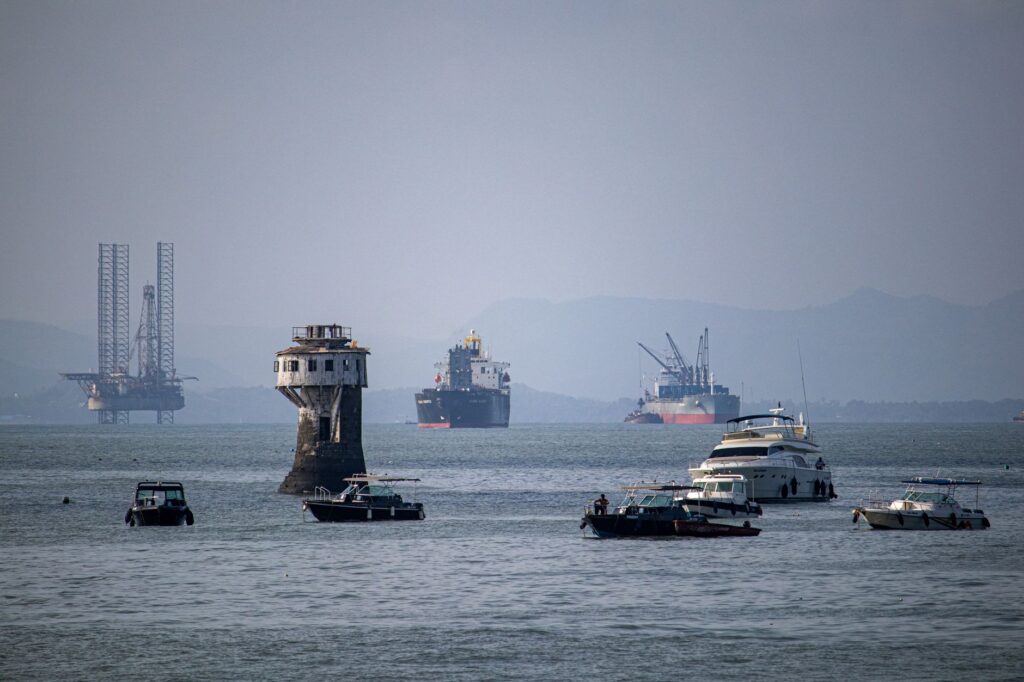
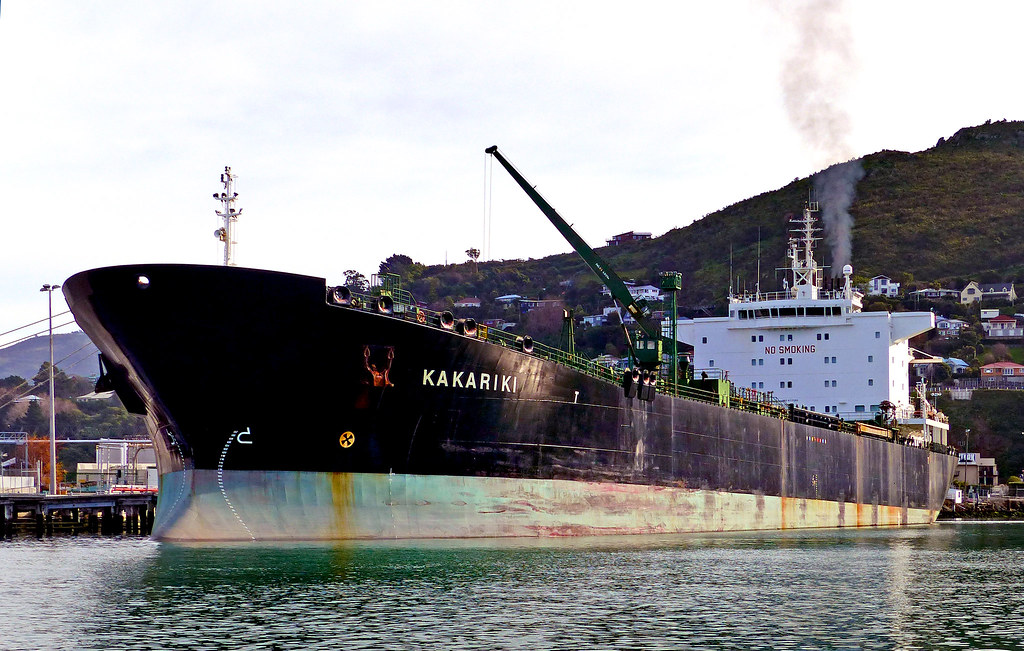
Expensive crude oil in India is raising inflation and import costs, but it may also accelerate energy reform, diversification and efficiency. Higher oil prices create immediate strain for households, businesses and policymakers, yet they can also force a more serious response to long-running vulnerabilities in the energy system.
India remains heavily dependent on imported crude, which means global oil-price movements quickly translate into domestic economic pressure. When crude stays expensive, the impact runs through transport, logistics, manufacturing, household budgets and fiscal management. That is why expensive crude oil in India is not merely a commodity story. It is also a macroeconomic and policy story with consequences that reach far beyond fuel stations.
- Expensive crude increases inflation and the import bill.
- India remains vulnerable because it imports most of its crude needs.
- Higher prices can pressure households, businesses and policymakers.
- The shock may also accelerate diversification and energy reform.
Why expensive crude oil in India matters
When crude prices rise, India faces a broad economic challenge. Fuel becomes costlier, transport expenses go up and inflation pressure builds across the system. Because imported energy remains central to the economy, a sustained rise in oil prices affects not just consumers but also fiscal planning, business investment and the trade balance.
The main risks
The most immediate risks include higher inflation, a larger import bill and pressure on the rupee. Businesses with fuel-heavy or logistics-heavy operations can see margins narrow, while households face more expensive transport and rising costs in everyday goods. For policymakers, expensive crude oil in India also makes the balance between relief and fiscal prudence more difficult.
The possible opportunities
There is, however, a longer-term policy upside. Expensive crude oil in India can strengthen the case for renewables, electric mobility, biofuels, domestic exploration and better efficiency. Price shocks often force reforms that are politically easier to delay during periods of cheap oil. That means the pressure of expensive crude can, over time, support structural change.
Who is affected the most
Consumers, logistics firms, aviation, manufacturing and import-dependent businesses are among the most exposed. Governments also face difficult decisions because tax relief, subsidies or intervention all carry costs. The effect therefore spreads across households, industry and the state itself.
What to watch next
Watch global crude trends, the rupee, tax decisions and progress on energy diversification. These will show whether India is facing a short-lived oil shock or a broader turning point in how it thinks about energy security, inflation and economic resilience.
Why higher crude tests policy choices
Expensive crude oil in India forces policymakers to make harder decisions. They may face calls for tax relief, subsidy support or other short-term interventions, but each option comes with trade-offs. That makes oil-price shocks important not just for inflation, but also for how the government manages fiscal discipline and long-term energy planning.
Why the medium-term response matters
If expensive crude oil in India persists, the country may need to move faster on diversification, efficiency and domestic resilience. In that sense, the real long-term story is not only the pain of higher prices today but whether the pressure results in more durable changes to energy strategy tomorrow.
Frequently asked questions
Why is expensive crude oil in India important?
Because it affects inflation, imports, fuel prices, business margins and the wider economic outlook.
Can higher crude prices create opportunities?
Yes. They can speed up diversification, energy efficiency and policy reform.
Which sectors are most exposed?
Transport, logistics, aviation, manufacturing and fuel-dependent households are among the most exposed.
Why businesses are watching closely
Businesses are watching expensive crude oil in India closely because higher energy costs can affect margins, freight bills, procurement decisions and consumer demand. The longer the pressure lasts, the more likely it is to influence investment and pricing strategy.