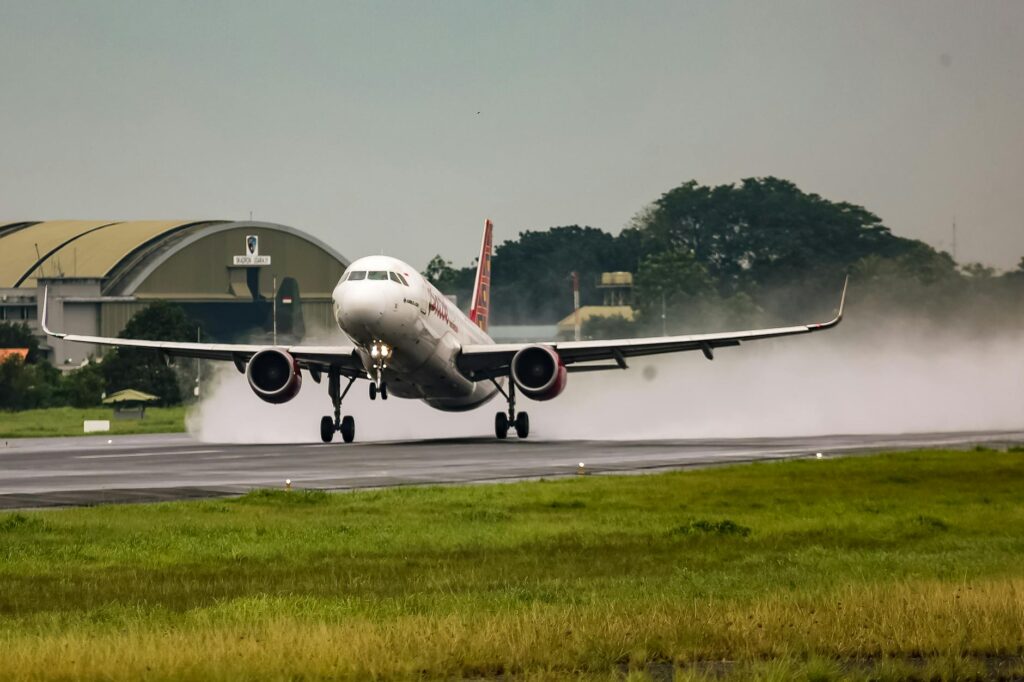
Jewar airport jobs are set to rise as the Noida International Airport inaugurated at Jewar signals a new phase of employment and investment growth. The airport, planned as one of India’s largest, will generate thousands of jobs and attract significant domestic and foreign investment. This development impacts the Delhi-NCR region and the wider national economy by creating a crucial infrastructure hub fostering regional prosperity and enhancing connectivity.
- Announcement of Jewar airport jobs growth
- Key numbers and projections for Jewar airport jobs
- Why Jewar airport jobs growth matters
- Who benefits from Jewar airport jobs expansion
- Background and strategic context of Jewar airport jobs initiative
- Implementation timeline and what to watch for in Jewar airport jobs
- Practical implications for job seekers and investors
Announcement of Jewar airport jobs growth
The Union Civil Aviation Minister Ram Mohan Naidu officially declared that Jewar airport jobs will significantly increase following the inauguration of the Noida International Airport at Jewar. Speaking at the ceremony alongside Prime Minister Narendra Modi on 28 March 2026, Naidu highlighted how the airport is more than just infrastructure—it is a catalyst for broad-based economic growth. He emphasised that Jewar, in Uttar Pradesh’s Gautam Buddh Nagar district, will become a vibrant employment hub. The airport adds a strategic ‘heartbeat’ to the Delhi-NCR region, underpinning both aviation sector expansion and regional development.
Key numbers and projections for Jewar airport jobs
The Noida International Airport at Jewar is expected to handle 12 million passengers initially, with capacity rising to over 80 million by 2050, positioning it among India's largest airports. This scale of operation translates directly into job creation—thousands of direct roles in airport operations, airlines, logistics, and allied sectors, alongside indirect employment in hospitality, retail, transport, and manufacturing. Investments linked to the airport currently stand at over ₹15,000 crore, with further inflows projected as infrastructure and services expand. The project timeline anticipates phased growth in employment correlating with airport capacity ramp-up over the next decade.
Why Jewar airport jobs growth matters
Jewar airport jobs growth plays a pivotal role in addressing unemployment and underemployment in Uttar Pradesh and the wider NCR, regions traditionally burdened with labour surplus. The airport acts as an economic stimulant, attracting both domestic and international investors who seek improved connectivity and logistics hubs. Also, as air traffic transfers gradually from the saturated Delhi IGI Airport, Jewar helps decongest infrastructure bottlenecks, allowing balanced metropolitan development. This decentralisation boosts regional economies, improves industrial supply chains, and can foster innovation clusters around aviation-related activities.
Who benefits from Jewar airport jobs expansion
The immediate beneficiaries of Jewar airport jobs expansion include local communities in Gautam Buddh Nagar and neighbouring districts who will find new avenues for employment across skill levels. Airlines, logistics companies, cargo handlers, and retail businesses gain from improved infrastructure and passenger volumes. Nationally, sectors like tourism, exports, and manufacturing stand to benefit through better air connectivity. Another point — migrants and youth seeking labour market opportunities will have enhanced prospects in an expanding labour ecosystem tied to the airport and its ancillary facilities.
Background and strategic context of Jewar airport jobs initiative
The conception of the Jewar airport stemmed from the need to alleviate Delhi’s IGI Airport saturation, which constrained air traffic growth for the capital region. Approved in 2019, the project has since received multiple clearances and investments including land acquisition and environmental approvals. The government’s push to develop multi-airport systems aligns with broader national aviation policies encouraging infrastructure expansion and regional connectivity enhancement. Jewar’s role was further cemented as a strategic node within the Delhi-Mumbai Industrial Corridor and the National Capital Region Master Plan 2041.
Implementation timeline and what to watch for in Jewar airport jobs
Operational since early 2026, Jewar airport jobs growth is expected to accelerate as commercial flights increase and cargo handling ramps up. Future phases include runway expansions and terminal enhancements slated for completion by 2030. Stakeholders should monitor announcements related to ancillary projects such as dedicated cargo zones, industrial parks, and transport link upgrades including expressways and rail connectivity. The pace and scale of investment inflows will largely determine employment elasticity, with government facilitation and policy frameworks playing critical roles in sustaining growth.
Practical implications for job seekers and investors
Job seekers in the Delhi-NCR region should focus on skill development programmes tailored to aviation, logistics, and hospitality sectors, where demand is growing rapidly due to Jewar airport jobs expansion. Investors and entrepreneurs can explore opportunities in airport services, warehousing, and allied industries stimulated by increasing passenger and cargo throughput. Policymakers and educational institutions have a role in aligning curricula with emerging sector needs. Meanwhile, local administrations must ensure infrastructure support for workforce mobility, housing, and amenities to fully capitalise on the Jewar airport jobs momentum.
Frequently Asked Questions
How many jobs is the Jewar airport expected to create?
The Jewar airport is expected to generate thousands of direct and indirect jobs, starting from airport operations to sectors like hospitality and logistics, with growth projected as capacity increases to over 80 million passengers by 2050.
When did the Jewar airport become operational?
The Noida International Airport at Jewar became operational in early 2026, with phased expansions planned over the coming years to scale up services and job creation.
Related coverage
- RBI launches Payments Vision 2028 with 15 initiatives to boost digital payments
- RBI penalty hits Central Bank of India: ₹63.6 lakh fine for KYC breaches in 2026
- RBI penalty hits Union Bank of India: ₹95.40 lakh imposed in 2026 for non-compliance
Source: ET. Independent analysis by PolicyPulse Media.