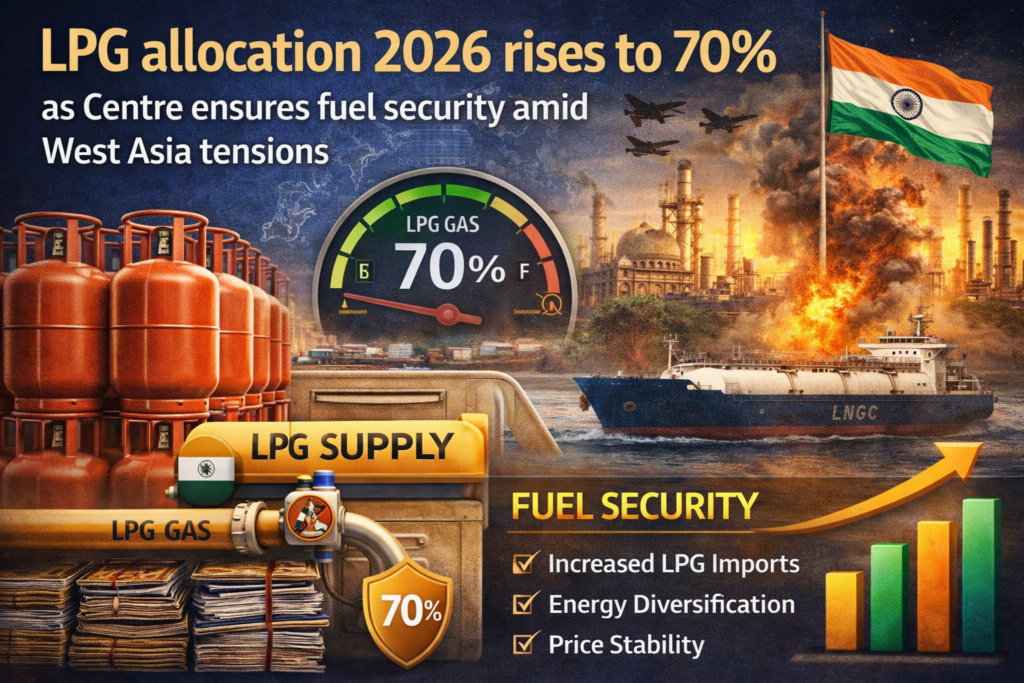
The Centre confirms LPG allocation 2026 remains steady with supplies ramped up to 70% of pre-crisis levels amid escalating tensions in West Asia. Over 54 lakh LPG cylinders were distributed in a single day, while commercial LPG uptake has reached 33,781 metric tonnes since mid-March. This reassurance stabilises fuel availability for millions of households and commercial consumers relying on uninterrupted energy supply.
- What happened: LPG allocation 2026 increased by Centre
- Key numbers and provisions in LPG allocation 2026
- Why LPG allocation 2026 and fuel security matter now
- Who is affected by the LPG allocation 2026 increase
- Context behind the LPG allocation 2026 adjustments
- Implementation timeline and next steps for LPG allocation 2026
- Practical implications for consumers amidst LPG allocation 2026
What happened: LPG allocation 2026 increased by Centre
As geopolitical tensions in West Asia intensified, the Indian government responded by increasing LPG allocation 2026 to 70% of pre-crisis levels. The Ministry of Petroleum & Natural Gas reassured citizens that domestic LPG distribution continues uninterrupted, with over 54 lakh cylinders delivered on March 27 alone. Commercial users lifted 33,781 metric tonnes of LPG since March 14, reflecting a strategic buildup to mitigate supply disruptions. State governments have been prompted to conduct daily briefings to counter misinformation and curb panic buying amidst the uncertainty.
Key numbers and provisions in LPG allocation 2026
The LPG allocation 2026 has been progressively ramped up, now reaching 70% availability for commercial consumers. Domestic distribution remains robust, evidenced by the delivery of more than 54 lakh cylinders in a single day. Since March 14, commercial LPG consumption totals 33,781 metric tonnes, marking a steady increase despite geopolitical risks. Also, petrol and diesel stocks continue to be adequate at all retail outlets nationwide, ensuring no immediate fuel shortage. Fourteen states and Union Territories have initiated daily bulletins to provide transparent updates on fuel availability.
Why LPG allocation 2026 and fuel security matter now
The sustained availability of LPG and petroleum fuels amid West Asia tensions is critical for India’s energy security and economic stability. LPG serves millions of households for cooking, and disruptions could severely impact daily life. Commercial LPG fuels industries reliant on uninterrupted energy input. Meanwhile, petrol and diesel shortages risk supply chain disruptions and inflationary pressures. The government’s proactive increase in LPG allocation 2026 reflects efforts to safeguard domestic needs against volatile international crude markets, protecting consumers and businesses alike during geopolitical uncertainty.
Who is affected by the LPG allocation 2026 increase
Millions of household consumers depending on subsidised LPG cylinders benefit directly from the stable LPG allocation 2026. Commercial sectors such as small-scale industries, restaurants, and transport fleets that rely on LPG for operational fuel find reprieve with the steady 70% commercial allocation. States and Union Territories administering fuel distribution face reduced risk of panic buying and hoarding due to government-coordinated communication strategies. Petrol and diesel retailers also continue normal operations, reassuring commuters and logistics companies amid heightened fuel demand.
Context behind the LPG allocation 2026 adjustments
The escalation of conflict in West Asia since early March 2026 has pressured global oil and gas markets, raising concerns over supply threats affecting India’s energy imports. Historically, India’s reliance on West Asian crude oil makes it vulnerable to such disruptions. Previously, the government maintained normal LPG and fuel supplies but increased monitoring as tensions rose. The recent ramp-up to 70% commercial LPG allocation follows precautionary measures initiated mid-March to stockpile inventory and ramp up imports via alternative routes. The Centre’s consistent updates aim to maintain consumer confidence throughout the evolving geopolitical scenario.
Implementation timeline and next steps for LPG allocation 2026
The increase to 70% LPG allocation for commercial consumers took effect from mid-March and continues as the conflict evolves. The government remains vigilant, regularly assessing stock levels and supply chain stability. States have begun daily briefings, with 14 already conducting public updates to mitigate misinformation. Authorities will monitor LPG cylinder deliveries and fuel stocks closely to pre-empt potential shortages. Customers should stay informed via official channels and avoid panic buying, while commercial users may need to coordinate supply requests with distributors as market conditions adjust.
Practical implications for consumers amidst LPG allocation 2026
Households can expect continued availability of subsidised LPG cylinders without interruption, reducing concerns over sudden shortages. Commercial users should anticipate stable, though still slightly constrained, LPG supply at about 70% of pre-crisis levels and plan accordingly. Consumers are advised to rely on official state briefings to stay current on supply status and resist panic purchases. Retail fuel outlets affirm adequate petrol and diesel stocks, reassuring motorists and businesses dependent on reliable fuel access. Overall, these measures aim to ensure energy stability even as external risks persist.
Frequently Asked Questions
Is LPG supply fully restored to pre-crisis levels?
No, LPG allocation for commercial users currently stands at 70% of pre-crisis levels, while domestic distribution remains uninterrupted. The government is monitoring the situation closely.
How is the government preventing panic buying of LPG?
States have been urged to conduct daily briefings to provide accurate fuel supply updates and counter misinformation, reducing the risk of panic buying.
Are petrol and diesel supplies affected due to West Asia tensions?
Petrol and diesel stocks are adequate at all retail outlets nationwide, with no immediate signs of shortage or disruption.
Related coverage
- Jewar airport jobs set to rise as Noida International Airport expands hiring in 2026
- RBI launches Payments Vision 2028 with 15 initiatives to boost digital payments
- RBI penalty hits Central Bank of India: ₹63.6 lakh fine for KYC breaches in 2026
Source: ET. Independent analysis by PolicyPulse Media.