India’s retail inflation rises to 3.4% in March 2026 as geopolitical tensions from the US-Iran conflict disrupt global trade flows, while the increase came after inflation stood at 3.21% in February, signalling growing supply-side pressures. This rise affects consumers and policymakers, highlighting vulnerabilities in India’s inflation trajectory amid external shocks.
- What happened: Inflation rise amid geopolitical tensions
- Key numbers and impact on key components
- Why this matters for India’s economy
- Who is affected: Consumers and policymakers
- Context and background: Inflation trends and Middle East tensions
- What to watch: Inflation trajectory and policy response
What happened: Inflation rise amid geopolitical tensions
India’s retail inflation quickened to 3.4% year-on-year in March 2026, up from 3.21% in February, according to the government’s Consumer Price Index data revised to a 2024 base year. The rise reflects mounting supply-side pressures triggered by the US war on Iran, which has disrupted global trade flows, notably in energy and commodity markets. Concurrently, rural inflation rose to 3.63%, while urban inflation remained slightly lower at 3.11%. Despite a steep fall in gold prices by about 11%, inflation still edged higher, driven primarily by rising fuel and logistics costs linked to Middle East instability.
Key numbers and impact on key components
The March inflation rate of 3.4% narrowly missed economists’ Reuters poll forecast of 3.48%. Rural inflation outpaced urban inflation, reflecting rural economies’ higher vulnerability to fuel price shocks. Fuel prices notably increased due to constrained crude oil supplies and shipping disruptions from the conflict in Iran’s vicinity. Gold prices dropped, helping partially offset headline inflation, but food inflation remained relatively stable. The CPI series rebased to 2024 captures evolving consumption patterns, providing a more current measure of inflation pressures faced by Indian households.
Why this matters for India’s economy
The acceleration of India’s retail inflation underscores how external geopolitical conflicts impact domestic price stability. Elevated fuel prices raise costs for transportation and logistics, feeding into broader inflationary pressures and potentially slowing consumption growth. For the Reserve Bank of India (RBI), this emerging trend complicates monetary policy decisions aimed at balancing growth with price stability. Persistently higher inflation may also fuel wage pressures and affect household purchasing power, influencing economic recovery prospects in 2026. In the current cautious macroeconomic environment, even a modest inflation uptick carries amplified significance.
Who is affected: Consumers and policymakers
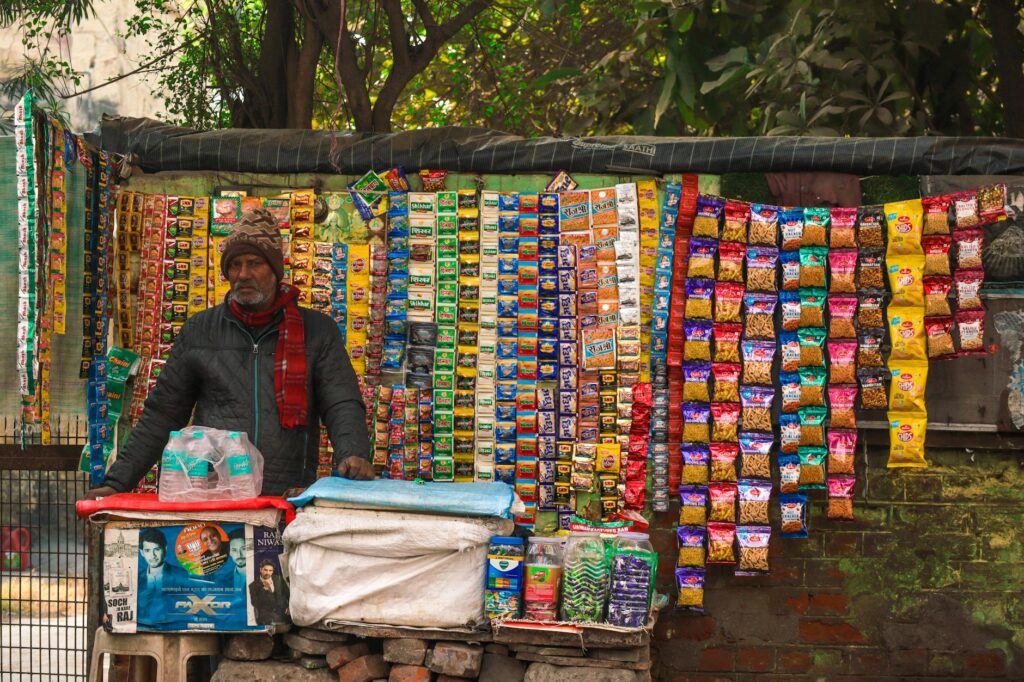
Consumers across urban and rural India feel the impact as rising fuel prices increase transportation and commuting costs, while supply chain disruptions may lead to price volatility in essential commodities. Rural households, spending a larger share of income on fuel and transport, face slightly higher inflationary pressures. Policymakers, including the RBI and the Ministry of Finance, confront added complexity in their efforts to maintain inflation within the target band while supporting economic growth. Businesses dependent on imported raw materials or energy supplies face cost increases, potentially affecting profitability and investment decisions.
Context and background: Inflation trends and Middle East tensions
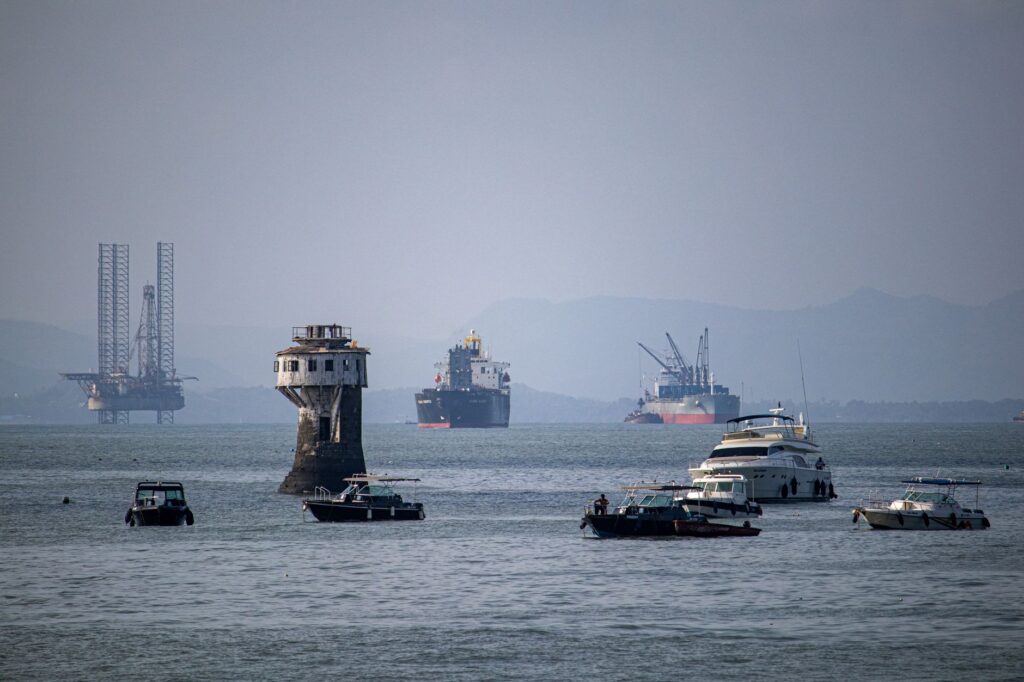
India’s inflation had remained relatively subdued through early 2026, supported by benign global commodity prices and stable domestic supply chains. That said, the sudden escalation of conflict involving Iran and the United States disrupted crude oil shipments through the critical Strait of Hormuz corridor, tightening global energy markets. India’s heavy dependence on Middle Eastern oil imports makes it particularly sensitive to such geopolitical events. Previous RBI policy stances focused on cautiously calibrating interest rates to accommodate slowing global growth while managing inflation, but renewed supply-side shocks present new challenges.
What to watch: Inflation trajectory and policy response
Going forward, India’s retail inflation trajectory will depend largely on how long the US-Iran conflict affects global trade, energy prices, and supply chain normalisation. Analysts and policymakers will closely monitor fuel price movements, ministry reports on food supply, and incoming CPI data for April and May. The RBI’s monetary policy committee meetings in mid-2026 will gain added attention for clues on rate adjustments or liquidity management actions to mitigate inflation pressures. Another point — any government measures to moderate fuel costs or alleviate supply bottlenecks will be critical to watch.
Frequently Asked Questions
Why has India’s retail inflation risen despite a drop in gold prices?
While gold prices fell about 11% in March 2026, this decline was offset by rising fuel prices linked to the US-Iran conflict — which increased transportation and logistics costs — exerting upward pressure on overall inflation.
How does the US war on Iran affect India’s inflation?
The conflict disrupts crude oil shipments and global trade flows, leading to higher fuel prices in India. Given India’s reliance on Middle Eastern oil, these supply shocks translate into higher domestic prices, impacting inflation.
Related coverage
- RBI regulatory policies update 2026 eases banking and MSME financing norms
- RBI repo rate steady at 5.25% in 2026; MPC maintains neutral stance
- FD interest rates may rise in 2026 despite RBI holding repo rate
Source: ET. Independent analysis by PolicyPulse Media.