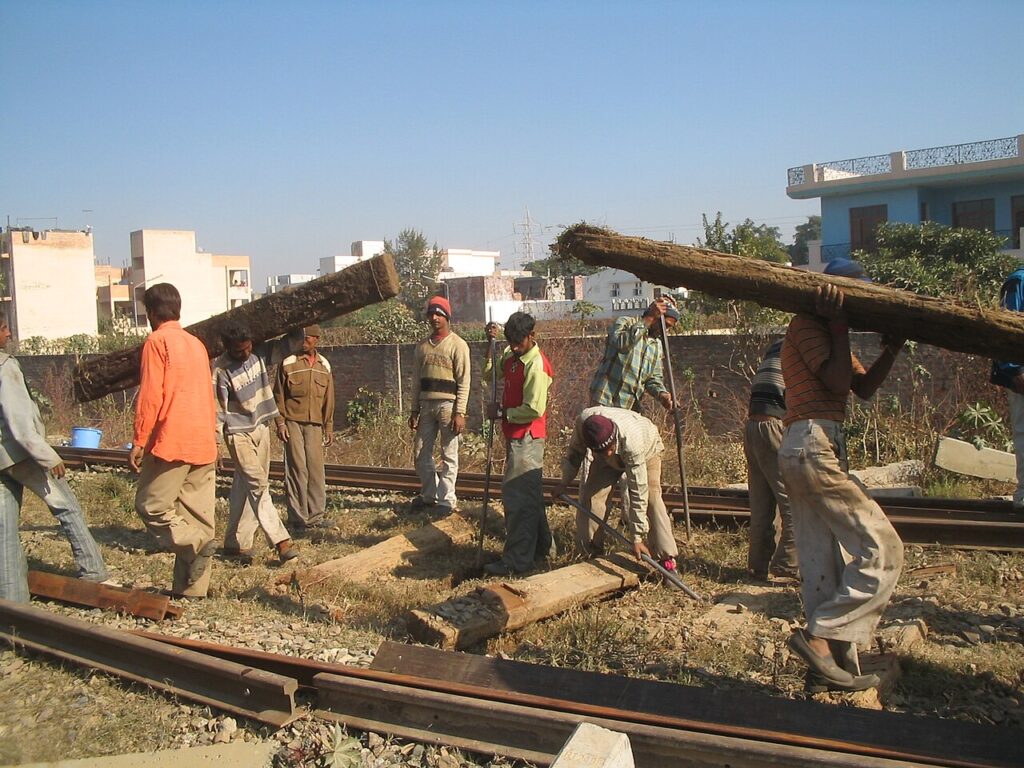
Indian Railways contract framework tightens with new rules to assess contractor bid capacity for all projects exceeding ₹10 crore. Union Railways Minister Ashwini Vaishnaw announced these reforms on March 24, 2026, to enhance construction quality and reduce project delays. This move aims to ensure better accountability among contractors and limits sub-contracting, affecting a wide array of stakeholders from contractors to project vendors.
- What happened in Indian Railways contract reforms
- Key provisions of the Indian Railways contract framework
- Why the Indian Railways contract framework matters
- Who is affected by Indian Railways contract framework reforms
- Context and background on Indian Railways contracting
- Implementation timeline and practical implications
What happened in Indian Railways contract reforms
On March 24, 2026, Union Railways Minister Ashwini Vaishnaw announced a major tightening of the Indian Railways contract execution framework. The key reform mandates a bid capacity assessment for all contractors bidding on projects above ₹10 crore. This step addresses past challenges where winning bidders often lacked ready manpower or resources, causing project delays and execution gaps. The reforms also introduce stricter regulations on sub-contracting, limiting the extent to which primary contractors can outsource work. Another point — the minister approved new wagons designed specifically for salt and automobile transportation to improve freight efficiency. Relaxations on train boarding station changes and tighter refund norms for ticket cancellations aim to improve passenger experience and curb ticket touting.
Key provisions of the Indian Railways contract framework
The core provision of the new Indian Railways contract framework is the assessment of bid capacity threshold for all contracts exceeding ₹10 crore. This includes evaluating a contractor’s financial, technical, and manpower capabilities to ensure feasibility before awarding projects. Stricter subcontracting limits restrict contractors from outsourcing excessive portions of work, thereby increasing accountability. The reforms aim to stop the recurring issue of bidders securing contracts but then scrambling for manpower, which leads to project delays. Alongside construction-related reforms, new freight wagons have been approved for salt and automobile movement, supporting specialized logistics. Ticketing reforms include relaxed rules for changing train boarding stations and enhanced refund processes to check fraudulent practices.
Why the Indian Railways contract framework matters
These reforms in the Indian Railways contract framework respond to chronic delays and quality concerns in large infrastructure projects that impact India's transport backbone. By tightening contractor eligibility and monitoring sub-contracting, Indian Railways intends to boost project execution quality and timelines. The national transporter handles thousands of projects yearly, and inefficiencies have cascading economic effects including higher costs, disrupted supply chains, and passenger inconvenience. The introduction of project-specific wagon approvals and ticketing reforms also signals a strategy focused on operational efficiency and customer service improvement. This policy shift could set a precedent for government infrastructure procurement, ensuring sustainability and reducing leakages.
Who is affected by Indian Railways contract framework reforms
The tightening of the Indian Railways contract framework will primarily affect contractors and construction firms bidding for projects exceeding ₹10 crore. These entities now need to demonstrate adequate bid capacity upfront, which could exclude smaller firms lacking financial or manpower resources. Primary contractors will face restrictions on subcontracting, meaning greater responsibility lies on them for project execution quality and timely delivery. Suppliers and vendors may experience more consistent demand due to stricter contract supervision. Passengers indirectly benefit from improved freight quality and ticketing reforms, but some may face adjustments during the transition. Railways employees and project managers will have clearer enforcement tools to monitor contracts.
Context and background on Indian Railways contracting
Historically, Indian Railways procurement and contract management have faced several challenges including delays, quality lapses, and bid management issues. The previous years saw instances where firms secured contracts without adequate preparation, leading to execution delays and project cost overruns. Subcontracting without sufficient oversight was common, diluting accountability. Meanwhile, passenger dissatisfaction related to ticketing and boarding procedures persisted. In recent years, the government has pushed for infrastructure reforms across sectors including digital tools for bid evaluation and tighter compliance standards. The 2026 reforms build on these efforts, reflecting a more rigorous approach to modernising contract execution in Railways.
Implementation timeline and practical implications
The new Indian Railways contract framework comes into effect immediately for all projects above ₹10 crore. Contractors must now provide comprehensive bid capacity documentation at the time of submission. Contract awarding authorities will enforce subcontracting limits and monitor compliance through enhanced audit mechanisms. Freight wagon approvals for salt and automobiles will roll out progressively as inventories update. Passengers can expect gradual benefits from the relaxed train boarding station change rules and streamlined cancellation refund systems. Contractors and stakeholders must adapt quickly to these requirements to avoid disqualification or penalties, indicating a shift towards more disciplined contract management culture within Indian Railways.
Frequently Asked Questions
What is bid capacity assessment in Indian Railways contracts?
Bid capacity assessment evaluates a contractor’s financial, technical, and manpower resources before awarding a project, ensuring they can successfully execute contracts above ₹10 crore.
How do subcontracting limits affect contractors in Indian Railways?
Stricter limits restrict the percentage of work that contractors can outsource, ensuring they maintain greater direct control and accountability over project execution.
Related coverage
- Petrol diesel price rises after Himachal Pradesh fuel cess in 2026
- RBI variable rate repo auction announces ₹1 lakh crore liquidity support
- Irinjalakuda Town Cooperative Bank new administrator appointed by RBI
Source: ET. Independent analysis by PolicyPulse Media.