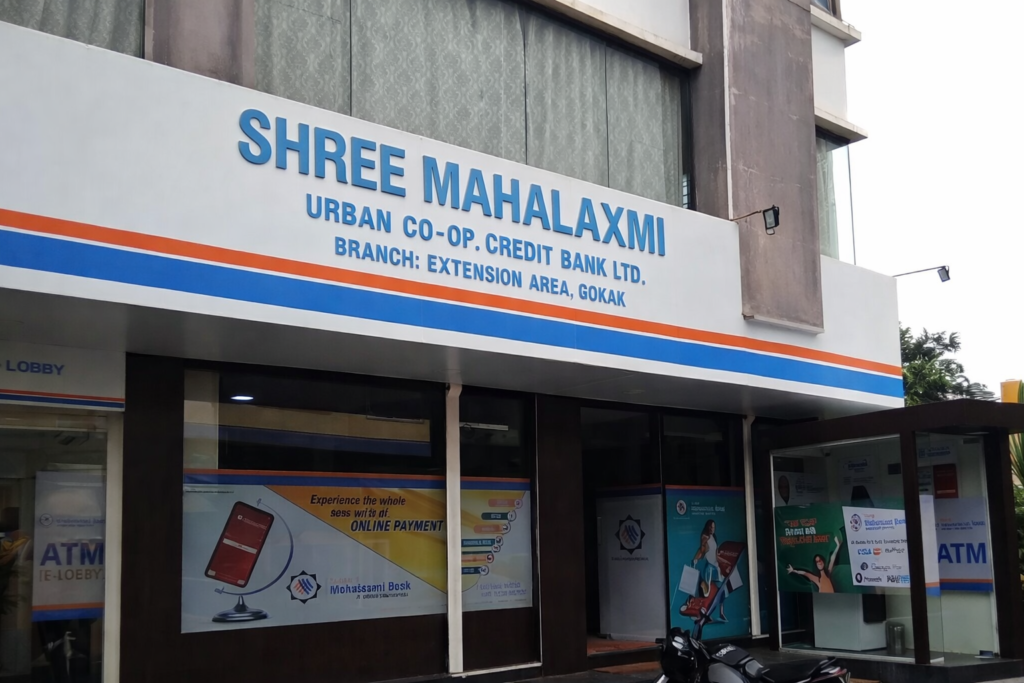
The RBI extension directive for Shree Mahalaxmi Urban Co-operative Credit Bank Ltd., Gokak (Karnataka) comes as the central bank prolongs regulatory measures under the Banking Regulation Act, 1949. The Reserve Bank of India extended the directive period by three months, now effective until June 27, 2026. This extension continues the RBI’s close supervision, underscoring concerns over the bank’s financial health and its broader implications for depositors and regional credit availability.
- What happened: RBI extension directive details
- Key provisions and timelines of RBI extension directive
- Why this matters: implications of RBI extension directive
- Who is affected by the RBI extension directive
- Context and background of RBI intervention
- Implementation timeline and review process
- Practical implications for stakeholders under RBI extension directive
What happened: RBI extension directive details
The Reserve Bank of India has extended its directive under Section 35A read with Section 56 of the Banking Regulation Act, 1949 against Shree Mahalaxmi Urban Co-operative Credit Bank Ltd., Gokak, Karnataka. Initially issued on September 26, 2024, the directive was set to lapse on March 27, 2025, but was previously extended up to March 27, 2026. Now, RBI has further prolonged the directive by three months, effective until June 27, 2026. The move comes in the public interest, maintaining regulatory controls to safeguard financial stability.
Key provisions and timelines of RBI extension directive
The directive extends RBI’s regulatory powers over Shree Mahalaxmi Urban Bank until June 27, 2026. It invokes Sections 35A(1) read with 56 of the Banking Regulation Act, allowing the central bank to impose restrictions on the bank’s operations. The original directive, notified in September 2024, imposed operational limits for six months before being extended earlier this year. Despite the extension, RBI clarified that it has not changed its reservations regarding the bank’s financial position. All previously prescribed terms remain in effect during this extended period.
Why this matters: implications of RBI extension directive
The continued extension of RBI’s directive signals ongoing regulatory concerns about the financial health and governance of Shree Mahalaxmi Urban Bank. In practice, such measures indicate that the bank has yet to meet the conditions necessary for resuming normal operations. For stakeholders and depositors, this prolongs uncertainty and limits the bank’s ability to expand credit or offer new financial products. More broadly, this affects confidence in the urban cooperative banking segment, which plays an important role in regional credit disbursement in Karnataka and beyond.
Who is affected by the RBI extension directive
Shree Mahalaxmi Urban Co-operative Credit Bank’s depositors, borrowers, and employees remain directly impacted by this extension. Deposit mobilization and loan disbursal activity will continue under constraints, affecting customer liquidity and credit access. The directive also influences regulatory authorities and cooperative banking stakeholders monitoring asset quality and governance standards. Regional businesses depending on credit from cooperative banks may face delays or constraints in financing, compounding economic pressures in local markets.
Context and background of RBI intervention
The RBI’s intervention dates back to September 2024 when Directions were first issued due to concerns about Shree Mahalaxmi Urban Co-operative Credit Bank’s financial stability and compliance. Such directives under Sections 35A and 56 enable RBI to impose operational restrictions to protect depositors and maintain orderly banking functioning. Cooperative banks in India have periodically faced regulatory scrutiny due to asset quality issues and governance challenges, prompting RBI to take layered measures including restrictions, restructuring, or management changes.
Implementation timeline and review process
The current RBI extension directive remains in place until the close of business on June 27, 2026, with provisions for further review based on the bank’s progress. RBI will evaluate the bank’s financial and operational condition periodically before deciding whether to lift, extend, or modify the directive. Meanwhile, all original terms under the directive remain effective, including limits on business operations, lending, and investments. The ongoing monitoring maintains pressure on the bank to address its underlying issues within this timeframe.
Practical implications for stakeholders under RBI extension directive
For depositors, the extension means continued safeguards but also restrained access or growth of their deposits. Borrowers may experience restrictions on new loans or credit expansions, impacting enterprises relying on cooperative bank financing. The bank’s management must maintain compliance with RBI’s conditions while trying to stabilize finances. Also, regional regulators and cooperative societies must coordinate closely to support resolution efforts. In practice, the directive signals sustained oversight, requiring stakeholders to remain vigilant about the bank’s evolving status.
Frequently Asked Questions
Why did RBI extend the directive for Shree Mahalaxmi Urban Co-operative Bank?
RBI extended the directive due to continued concerns over the bank's financial position and governance, necessitating ongoing regulatory oversight to protect depositors and ensure stability.
What restrictions does the directive impose on the bank?
The directive limits the bank's operations including deposit mobilization, lending, and investments, with specific terms aimed at risk containment and financial restructuring.
Who is responsible for reviewing the directive's extension?
The Reserve Bank of India periodically reviews the directive’s effectiveness and the bank’s progress before deciding on further extensions or lifting the restrictions.
Related coverage
- Repo Rate Cuts in 2025 Fail to Fully Reflect in Bank Deposits by 2026
- Variable Rate Repo auctions ease ₹1.25 lakh crore liquidity in FY2026 end
- Iranian Oil India Imports Face Cautious Reception Amid 2026 Payment Hurdles
Source: RBI. Independent analysis by PolicyPulse Media.