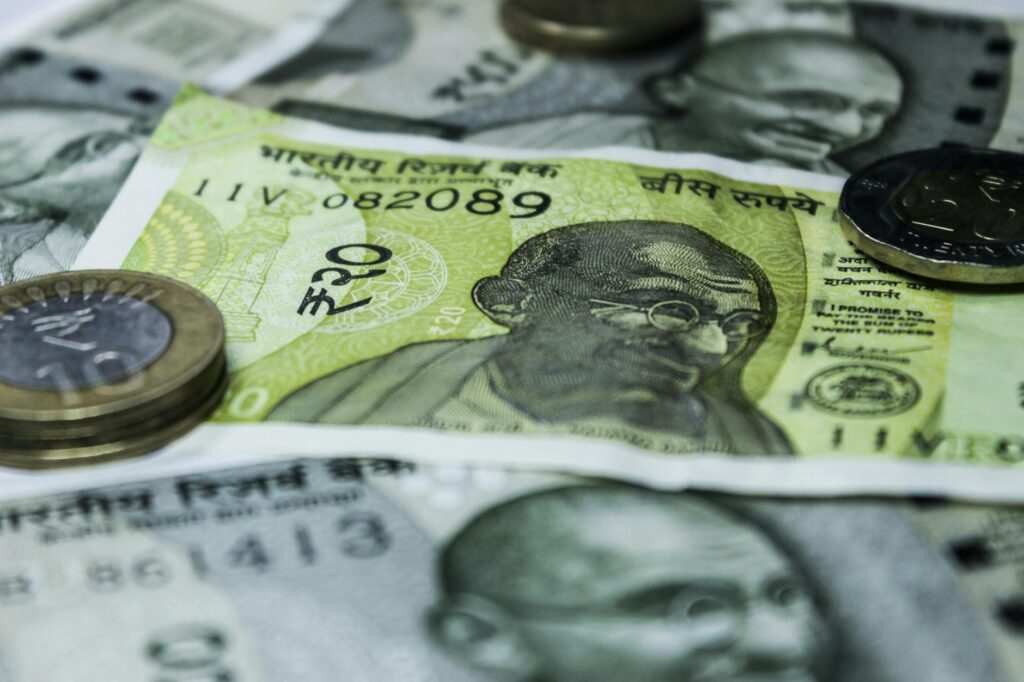
The government will announce small savings schemes interest rates after the March 31, 2026 quarterly review, signaling potential changes amid rising inflation. These new rates will apply for the April-June 2026 quarter and affect schemes like PPF, NSC, and SCSS. The decision matters to millions of retail investors relying on these instruments for steady income and savings amid inflationary pressures.
- What happened: Interest rates review for small savings schemes
- Key provisions and numbers related to small savings schemes interest rates
- Why this matters amid rising inflation
- Who is affected by changes in small savings schemes interest rates
- Context: Previous interest rate decisions and inflation trends
- What to watch: Implementation timeline and investor response
- Practical implications for retail investors
What happened: Interest rates review for small savings schemes
The Finance Ministry will unveil the interest rates for various small savings schemes on March 31, 2026, following its quarterly review. These rates will determine returns for the April-June 2026 quarter. This routine review is closely watched by retail investors as the rates directly influence the attractiveness of government-backed saving instruments like the Public Provident Fund (PPF), National Savings Certificate (NSC), and Senior Citizen Savings Scheme (SCSS). With inflation showing signs of rising recently, the ministry faces pressure to adjust rates to maintain real returns for investors.
Key provisions and numbers related to small savings schemes interest rates
Small savings schemes include instruments such as PPF, NSC, SCSS, and the Sukanya Samriddhi Account (SSA). Traditionally, rates for these schemes are reviewed quarterly and linked to government bond yields, ensuring market relevance, while for the January-March 2026 quarter, PPF offered 7.5% annual interest, while SCSS stood at 8%. The upcoming announcement will confirm if these rates will be revised upward to align with the inflation rate, which rose from 6.2% to 6.7% in the last three months. Such adjustments would help preserve the purchasing power of fixed-income savers.
Why this matters amid rising inflation
Inflation erodes the real returns on fixed-income savings instruments, making interest rate adjustments critical. An unchanged rate in a high inflation environment means actual returns turn negative, deterring small investors from these safe instruments. Conversely, a rate rise would protect the savings value, promote household financial security, and sustain the popularity of small savings. For the government, managing small savings rates balances fiscal prudence and investor confidence, as these schemes fund a substantial portion of the fiscal deficit through retail borrowings.
Who is affected by changes in small savings schemes interest rates
Millions of Indian households, especially retail investors from middle and lower-middle-class segments, depend on small savings schemes for retirement, children's education, and emergency funds. Senior citizens benefit notably from SCSS, which provides higher fixed returns. Any rise in interest rates improves disposable income and financial stability for these groups. Another point — entities like banks, NBFCs, and mutual funds observe these rates closely as benchmarks for retail fixed income products, influencing broader retail investment patterns.
Context: Previous interest rate decisions and inflation trends
Previously, the government maintained small savings rates close to the yields on government securities, revising them quarterly to reflect market conditions. In 2025, rates remained steady despite moderate inflation, aiming to support fiscal consolidation. But with inflation crossing the RBI’s target band recently, there is increased pressure for revision. The recent inflation spike is partly attributed to global commodity price volatility and domestic supply constraints, making the upcoming interest rates review pivotal in aligning public savings returns with the overall economic environment.
What to watch: Implementation timeline and investor response
Investors should watch the official announcement scheduled for March 31, 2026, to assess the new rates effective April 1. If rates rise, retail investors may increase subscriptions in small savings schemes during this quarter. Market participants will also monitor any accompanying communications from the Finance Ministry or RBI for policy guidance. The government's approach will set the tone for retail investment flows and could influence monetary policy decisions in subsequent quarters.
Practical implications for retail investors
Retail investors should evaluate the announced small savings schemes interest rates in the context of inflation and alternative investment options. An increase in rates would encourage greater inflows into PPF, NSC, and SSA, preserving wealth against inflation. Meanwhile, if rates remain static, investors might seek other instruments offering inflation-beating returns, such as inflation-indexed bonds or diversified mutual funds. Monitoring the quarterly updates and adjusting investment portfolios accordingly remains crucial to safeguarding real returns.
Frequently Asked Questions
When will the new small savings schemes interest rates be announced?
The Finance Ministry will announce the new interest rates for small savings schemes on March 31, 2026, which will apply for the April-June 2026 quarter.
Which small savings schemes are impacted by the interest rate changes?
Schemes like the Public Provident Fund (PPF), National Savings Certificate (NSC), Senior Citizen Savings Scheme (SCSS), and Sukanya Samriddhi Account (SSA) are directly impacted by the quarterly interest rate revisions.
How does inflation affect small savings schemes interest rates?
Rising inflation typically pressures the government to increase small savings schemes interest rates to ensure savers receive positive real returns and to maintain the schemes' appeal.
Related coverage
- Government launches IBC reforms 2026 to ease insolvency delays
- LPG allocation 2026 rises to 70% as Centre ensures fuel security amid West Asia tensions
- Jewar airport jobs set to rise as Noida International Airport expands hiring in 2026
Source: ET. Independent analysis by PolicyPulse Media.