
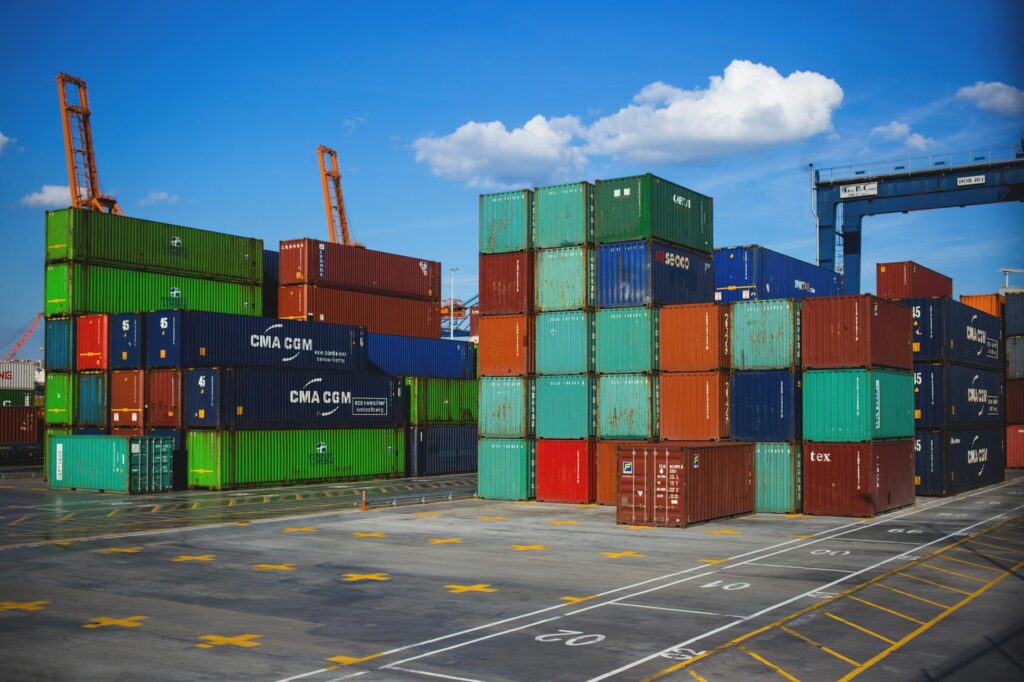
India exports April 2026 registered robust double-digit growth, hitting $43.56 billion as shipments rose 13.78 percent. This peak marks the highest monthly outbound shipments in over four years, propelled largely by petroleum exports amid soaring crude oil prices. The growth signals strengthening global demand for Indian goods but accompanies a widened trade deficit, affecting overall economic balance.
- What happened in India exports April 2026
- Key numbers shaping India exports April 2026
- Why India exports April 2026 growth matters
- Who benefits from India exports April 2026 surge
- Context behind India exports April 2026 performance
- What to watch after India exports April 2026 numbers
- Practical implications of India exports April 2026 rise
What happened in India exports April 2026
India's export sector experienced a significant uplift in April 2026, with total outbound shipments reaching $43.56 billion. This marks a 13.78 percent increase compared to the same month in the previous year. The rise stems primarily from surging exports of petroleum products, fuelled by higher global crude oil prices. The Commerce Ministry highlighted this growth as the highest monthly export figure in over four years, indicating a sustained upward trend in international trade. But this surge coincides with an increase in imports, leading to a sharp widening of the country's trade deficit.
Key numbers shaping India exports April 2026
The headline figure for India exports April 2026 is $43.56 billion, up 13.78 percent year-on-year. Besides petroleum products, other sectors also contributed to the double-digit growth during April and May, showcasing diversified export momentum. That said, imports also climbed, pushing the trade deficit to $28.38 billion in April, the highest in three months. With the May trade data due for release on June 15, analysts expect the trend to continue into the fiscal year 2026-27, which began with strong trade numbers. Monthly export values at this scale haven’t been observed since 2022, underscoring the export sector's robust recovery.
Why India exports April 2026 growth matters
Sustained double-digit growth in India exports April 2026 is critical for the broader economy. Export expansion boosts foreign exchange earnings, supports domestic production, and sustains employment across manufacturing and service segments. The high petroleum exports reflect both external price factors and domestic refining capacity, but the accompanying widened trade deficit signals upward pressure on import bills. This dynamic influences India's current account balance and rupee stability. Also, the growth illustrates India's improving competitiveness and resilience in global markets amid ongoing geopolitical uncertainties and supply chain disruptions.
Who benefits from India exports April 2026 surge
Exporters across key sectors like petroleum products, engineering goods, chemicals, and textiles stand to benefit from the 2026 growth momentum. Refining companies gain from elevated crude pricing and solid demand. Manufacturing firms see an uptick in orders, driving capacity utilisation and employment. Small and medium enterprises (SMEs) integrated into export value chains also experience indirect benefits from improved shipments. Meanwhile, the government gains increased foreign exchange inflows, enhancing fiscal space. Conversely, import-dependent industries may face cost pressures due to the widening trade deficit fueled partly by rising import values.
Context behind India exports April 2026 performance
India’s export recovery follows several years of steady policy support, including production-linked incentives and export promotion schemes. The past four years encompassed pandemic-related disruptions, supply chain shocks, and fluctuating global demand. In 2023-24 and 2024-25, exports showed gradual growth, but April 2026 figures stand out for the sharp acceleration. Global crude oil price volatility has been a notable factor, heavily influencing petroleum product shipments. Government initiatives to diversify markets beyond traditional partners and strengthening infrastructure have supported these gains, as has the relative competitiveness of the Indian rupee during this period.
What to watch after India exports April 2026 numbers
The upcoming May trade data, due June 15, will clarify if the double-digit growth trend sustains through the first quarter of fiscal year 2026-27. Observers should monitor petroleum product prices, global demand shifts, and India's import trajectory affecting the trade deficit. Currency movements, particularly the rupee's exchange rate, will also impact export competitiveness. Another point — policy responses to manage the trade deficit without hindering export growth will be critical. Industry sectors poised for expansion will be worth tracking for investment and employment implications in the medium term.
Practical implications of India exports April 2026 rise
For exporters, the current momentum signals an opportune moment to scale operations and explore new markets. Companies should hedge risks related to commodity prices and forex volatility that affect profitability. Policymakers need to balance measures encouraging exports while addressing the widening trade deficit to sustain overall economic stability. Investors may view the export upswing as a positive indicator for market sectors linked to international trade. Meanwhile, consumers and import-reliant industries could experience cost pressures if import bills stay elevated, necessitating strategic sourcing and supply chain adjustments.
Frequently Asked Questions
What drove the growth in India exports April 2026?
The growth was mainly driven by a surge in petroleum product exports due to rising global crude oil prices, alongside strong performance in other sectors such as engineering goods and chemicals.
How does the export surge affect India’s trade deficit?
Despite export growth, imports also increased, resulting in a widened trade deficit of $28.38 billion in April 2026, which poses challenges to the overall external balance.
Related coverage
- SEBI nomination norms ease investments with 2026 revised rules for demat accounts
- US-Iran Draft 60-Day West Asia War Truce Extension Faces Trump Nod in 2026
- Ultra rich families AI investments 2026 में बढ़ा बड़ा निवेश
Source: ET. Independent analysis by PolicyPulse Media.