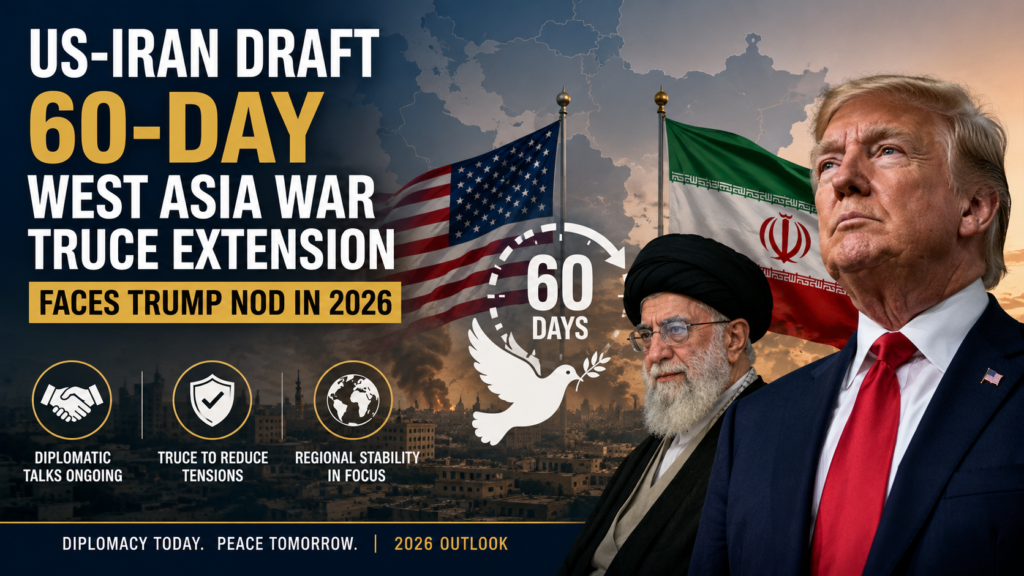
The US and Iran have drafted a 60-day extension of the West Asia war truce to begin renewed talks on Tehran’s nuclear programme. This draft truce, reported in May 2026, awaits approval from US President Donald Trump amid Tehran’s denials. The extension’s approval could stabilise regional security, affecting energy markets and global economic conditions.
- What happened in the West Asia war truce
- Key provisions and numbers in the 60-day truce
- Why the west asia war truce matters for India and global markets
- Who is affected by the West Asia war truce extension
- Context and background on the West Asia war truce
- Implementation timeline for the West Asia war truce
- Practical implications of the West Asia war truce for stakeholders
What happened in the West Asia war truce
The United States and Iran have agreed in principle to extend their ceasefire in the West Asia war through a 60-day memorandum of understanding, according to a US official cited by the Associated Press in May 2026. This agreement would initiate formal talks on Iran’s nuclear programme, a focal point of international concern. That said, the deal remains contingent on final approval from US President Donald Trump, who hasn’t yet confirmed endorsement. Tehran has publicly denied reports about any ceasefire extension, adding complexity to the situation.
Key provisions and numbers in the 60-day truce
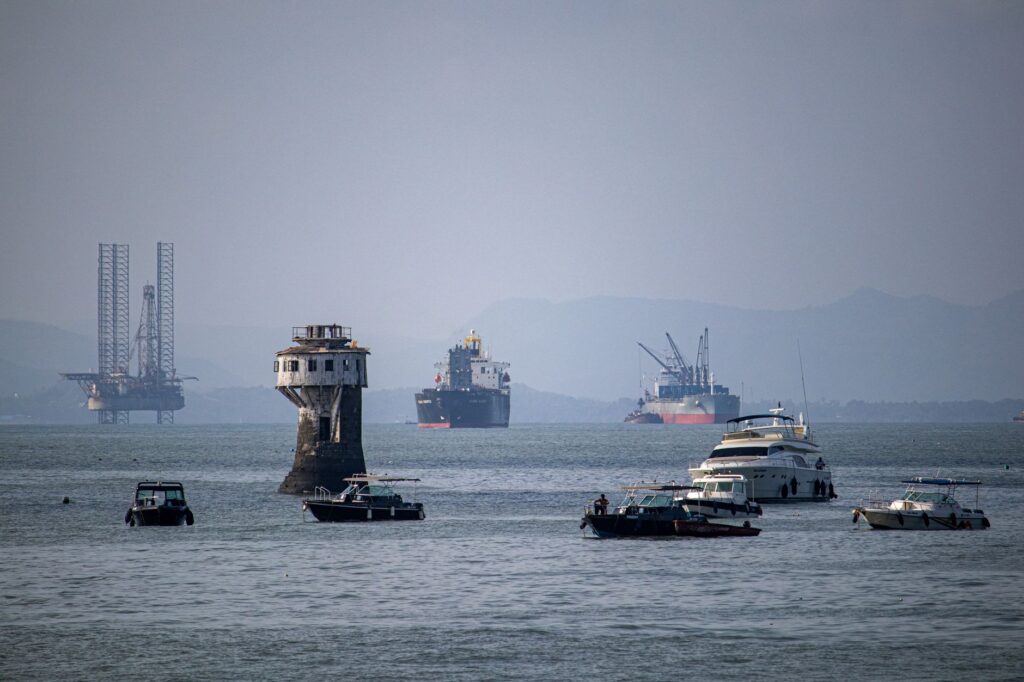
The draft memorandum outlines a truce extending for 60 days, with a start date expected in late May 2026. The agreement aims to pause hostilities and allow diplomatic engagement on Iran’s nuclear activities. While specific provisions remain confidential, the truce focuses on halting US military strikes near the Strait of Hormuz and Iranian retaliatory actions. This is critical to ensuring uninterrupted energy flows, as the area handles approximately 20% of global oil exports. Final approval from President Trump is pending, whose decision will determine if formal negotiations can proceed.
Why the west asia war truce matters for India and global markets
The West Asia war truce holds considerable implications for India, a major importer reliant on crude supplies from the Gulf region. A cessation of hostilities could ease volatility in oil prices, which have spiked amid renewed US strikes and retaliatory actions. Inflationary pressures on India’s fuel and transport sectors may moderate if the truce stabilises supply chains. On a related note, regional stability is crucial for global trade flows through the Strait of Hormuz, thereby influencing India’s economic growth and job sectors linked to energy logistics.
Who is affected by the West Asia war truce extension
India’s energy security remains central to the impact of this truce extension, as disruptions in the Gulf affect fuel import costs and inflation. Domestic industries dependent on stable energy prices, such as transportation and manufacturing, face uncertainties tied to the conflict. Also, global shipping firms navigating the Strait of Hormuz have been diverting routes, increasing freight costs and insurance premiums. US and Iranian policymakers, along with Gulf states, also have vested interests as the truce could shape diplomatic relations and influence regional power dynamics.
Context and background on the West Asia war truce
The ongoing conflict in West Asia has escalated over months, driven by US strikes aimed at curtailing Iran’s military influence and nuclear ambitions. Previous ceasefires have been tenuous and short-lived, with mutual denials and accusations. Talks have stalled amid political challenges, particularly in Washington, where President Trump’s decisions have heavily influenced diplomatic progress. Iran’s denials of the recently reported draft reflect internal debates and external messaging efforts. This extension proposal forms part of broader international initiatives seeking to stabilise the region and resume multilateral nuclear talks.
Implementation timeline for the West Asia war truce
Should President Trump approve the draft memorandum, the 60-day truce would commence immediately, probably within a week of the nod, establishing a pause in hostilities for nearly two months. During this period, negotiations on Iran’s nuclear programme would officially begin. Still, the lack of affirmation from Trump leaves the truce’s start date uncertain. Regional stakeholders and global markets will closely monitor developments, particularly any statements from Washington in the coming days. The window offers a crucial diplomatic opportunity to achieve sustainable peace or risk renewed conflict after the truce expires.
Practical implications of the West Asia war truce for stakeholders
For Indian policymakers, the potential truce extension signals a need to recalibrate energy procurement strategies, anticipating either stabilised or volatile crude prices. Businesses in transport and manufacturing sectors should prepare for possible short-term relief in input costs if supplies stabilise. Financial markets tied to energy and commodities may respond favorably to the truce, lowering risk premiums. Meanwhile, diplomatic channels must stay alert to US administration decisions, as the truce’s fate rests on President Trump’s uncertain nod. In practice, continued vigilance on the evolving geopolitical situation remains essential.
Frequently Asked Questions
What is the current status of the US-Iran ceasefire extension?
As of May 2026, the US and Iran have drafted a 60-day ceasefire extension in the West Asia war, pending final approval from US President Donald Trump, while Tehran denies the agreement.
Why is the 60-day truce important for India?
India’s economy depends on crude oil from the Gulf region; the truce could stabilise oil prices and reduce inflationary pressures impacting fuel, transportation, and manufacturing sectors.
Related coverage
- India GDP Q4 FY26 data 2026: मिला अहम आर्थिक वृद्धि का संकेत
- Rupee hits 99: 2026 में fiscal deficit 5% पार, बड़ा economic खतरा
- India’s Retail Inflation 2026 में 3.4% बढ़ी, Iran War के चलते बड़ा असर
Source: ET. Independent analysis by PolicyPulse Media.